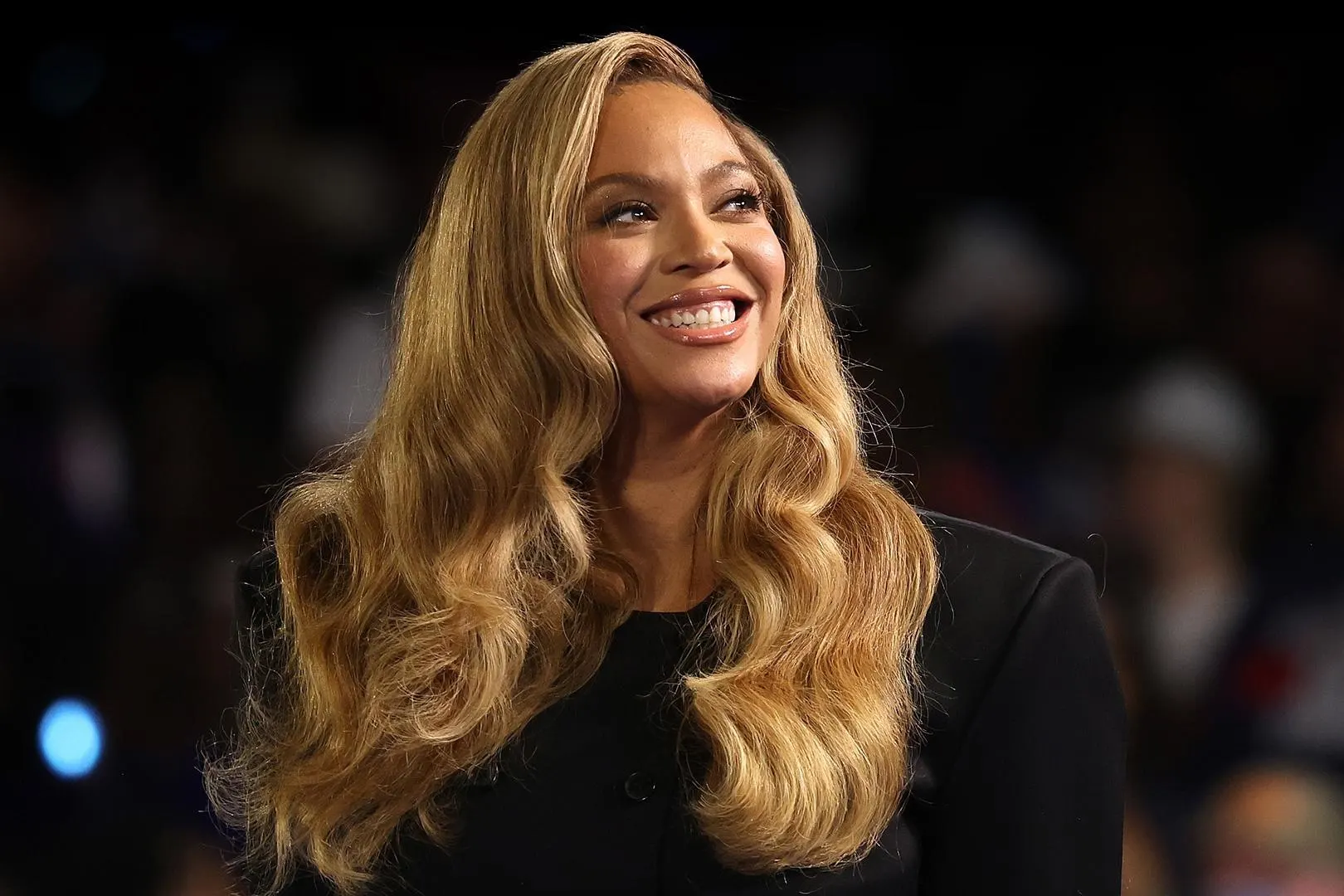
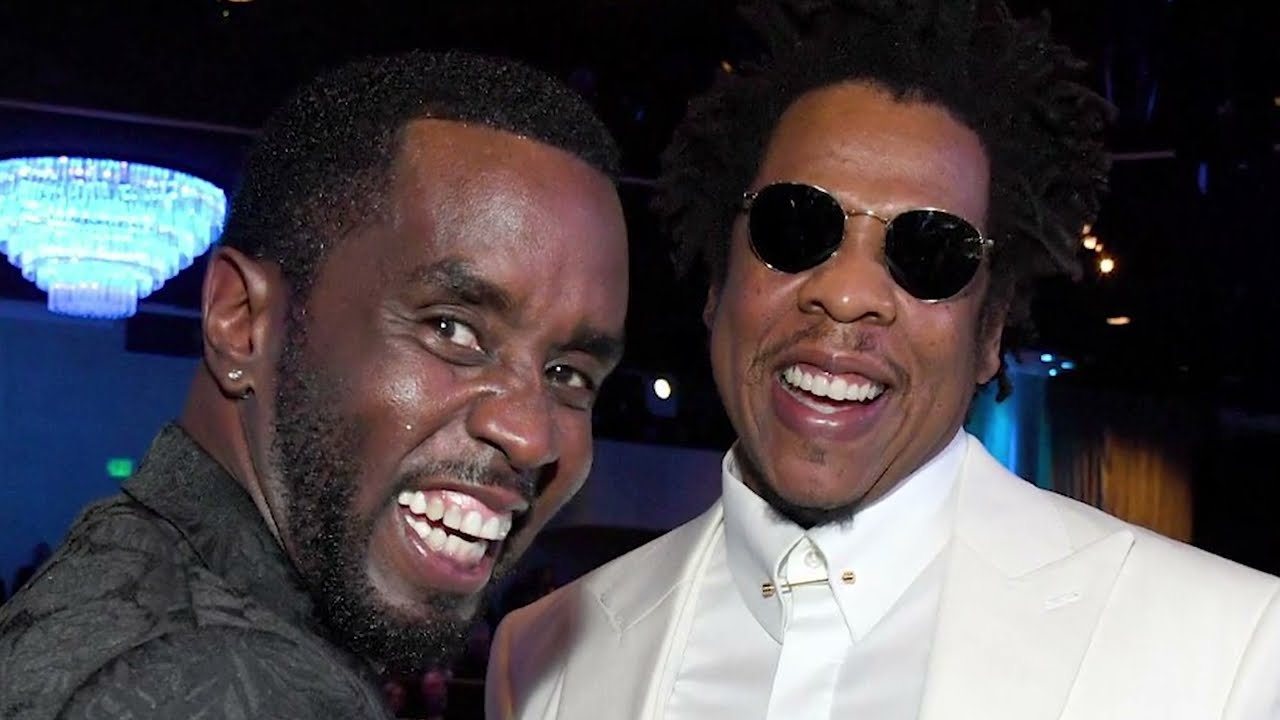
Whispers about Beyoncé and Jay-Z have never really stopped, but the latest wave is louder, darker, and moving at internet speed. In the span of a few days, social media has gone from side-eyeing the Carters’ famously private marriage to openly asking whether Beyoncé has already started an exit plan—possibly involving lawyers, separate living arrangements, and even a sudden trip overseas.
The most explosive version of the rumor claims Beyoncé “took the kids” and “left for the Middle East,” with posts naming places like Qatar and Iraq. Those claims are not confirmed, and no credible public statement has verified any move, relocation, or separation tied to travel.
But the chatter isn’t happening in a vacuum. It’s being fueled by a broader storm of allegations and online speculation that has placed Jay-Z’s name into some of the ugliest corners of pop-culture discourse, alongside renewed arguments about power, celebrity protection, and what happens when the internet decides a dynasty is due for a reckoning.
At the center of it is a familiar tabloid question with very real stakes: is Beyoncé preparing to cut ties to protect her brand and her children—or is this all another round of viral fiction that the Carters will outlive the way they always have?
On some platforms, the heat intensified after clips circulated of critics attacking Jay-Z’s image as a cultural leader. In one viral rant, a speaker blasted rap moguls as morally unfit to represent the community, arguing that past behavior should disqualify them from speaking for anyone.
“Liars are now the face of our culture,” the speaker said, also calling out Jay-Z and Rock Nation by name.
That kind of commentary isn’t new. What’s new is the way it’s colliding with claims about lawsuits, “files,” and alleged industry cover-ups, creating a narrative that even fans who normally ignore gossip are struggling to scroll past.
A major part of the frenzy centers on online claims that Jay-Z was “named” in so-called “Epstein files.” In reality, public conversations about Epstein-related documents are complicated, frequently misrepresented, and often weaponized for clicks; many viral posts use the phrase “files” loosely, without clearly distinguishing between verified court filings, unverified screenshots, third-party summaries, or commentary.
Some posts circulating also repeat a graphic allegation involving a woman claiming she was harmed in the presence of powerful men in the 1990s, including a person identified as “Shawn Carter.” These allegations are extremely serious, but they remain allegations in the way they are being discussed online here, and readers should treat viral interpretations with caution until primary documentation and official processes are clear.
At the same time, this isn’t just random internet noise to many observers. Jay-Z has faced public scrutiny before, including controversies, business disputes, and long-running rumors about his private life, and the Carters’ marriage has been dissected since long before *Lemonade* made infidelity a mainstream conversation topic.
In recent months, online commentators have also dragged Jay-Z into the broader fallout surrounding Sean “Diddy” Combs, including claims about reputational risk, industry relationships, and who knew what, when. Much of this remains contested, and many assertions being repeated are based on anonymous “insiders,” selective clip compilations, and social-media speculation rather than verified reporting.
Still, the pattern is what’s feeding the divorce talk: when a celebrity becomes the subject of repeated allegations—whether proven, disputed, or simply rumored—brand managers and family members tend to think ahead. Fans believe Beyoncé is the kind of strategist who would do exactly that.
One popular theory claims Beyoncé anticipated damaging releases and responded the way a global businesswoman would: by strengthening her independent earning power through tours, launches, and tightly controlled rollouts. It’s a neat narrative, and it flatters her competence, but it’s also not proof of marital collapse.
Another rumor that keeps resurfacing is that Jay-Z has consulted divorce lawyers in the past, especially during previous PR storms. There has been no confirmed public documentation establishing that, and celebrity legal meetings can range from routine planning to nothing at all; still, the idea has stuck because it fits the internet’s favorite storyline: Beyoncé is already halfway out the door.
What is more tangible than the rumor mill is this: the Carters have always run their public image like a corporation. That doesn’t mean their marriage is fake, but it does mean they understand timing, messaging, and damage control better than most.
So when the internet sees silence—no denial, no carefully worded statement, no coordinated “family photo” moment—it doesn’t interpret that as peace. It interprets it as negotiation.
That reading intensified when fans started monitoring social media behavior around the Carters. Unfollows, deleted posts, missing tags—these are the modern tea leaves, and they are often unreliable.
Some users claimed Beyoncé’s mother, Tina Knowles, unfollowed Jay-Z. Others listed celebrities and brands they believed had “cut him off,” including musicians, platforms, and even sports organizations. It is difficult to confirm such claims from screenshots alone, because follow lists change, accounts are private, and viral posts can be outdated within minutes.
Yet even unverified “unfollow” stories have power because they feel like evidence. To fans, a family unfollow would signal a private rupture becoming public.
To skeptics, it’s simple: the internet loves a pile-on, and people mistake social media shifts for courtroom facts.
Another key element fueling the frenzy is the claim that mainstream outlets have avoided the story. Some commentators point to posts that allegedly disappeared quickly after going up, and they interpret the absence of coverage as proof of influence.
They argue that if a major star has the resources to pressure media or threaten legal action, silence becomes a strategy. Others argue the opposite: responsible outlets may be avoiding unverified material precisely because the consequences of repeating false accusations are severe.
Both explanations can exist in the same ecosystem. Media can be cautious for ethical reasons, and celebrities can also be litigious. The internet tends to pick whichever motive best fits its preferred ending.
Adding gasoline is the way old rumors are being repackaged as “context.” Stories about Jay-Z’s relationships, mentorship claims, and industry dynamics from decades past are being resurfaced and treated as if they are newly discovered.
Some posts revisit allegations that Jay-Z pursued or dated women when they were very young, often citing longstanding gossip about artists from the early 2000s. These claims have circulated for years, are frequently disputed, and are difficult to evaluate without verified sources, but in the current climate they’re being presented as part of a bigger moral indictment.
Beyoncé’s own origin story with Jay-Z has been pulled into the debate, too. Fans have reposted older interviews where she described the early timeline of their relationship, and critics have argued about age gaps and power dynamics.
And then there’s a clip that keeps getting cited because it hits people emotionally. In it, Beyoncé praises Jay-Z in intimate terms that some viewers now interpret differently through a modern lens.
“You taught me how to be a woman,” she says in the clip.
To supporters, it’s romantic, personal, and rooted in a long partnership. To critics, it’s unsettling language that invites questions about how young she was when the relationship began and what kind of influence he had.
This is where the discourse gets messy: a sentence can be sincere and still become controversial once the internet decides to treat it like evidence.
Meanwhile, Beyoncé is not being treated as a passive character in this story. A growing segment of commenters argues that if Jay-Z truly faces serious allegations, it’s unrealistic to assume Beyoncé is completely unaware after so many years together.
Their argument is blunt: even if she did not participate in wrongdoing, proximity to power can enable it, and the public should not automatically cast her as a victim.
Some go further, claiming she may be complicit or strategically silent to protect wealth and access. These claims are not proven, but they reflect a wider cultural shift: audiences are increasingly skeptical of “survivor edits” for celebrities who benefited from a system.
This skepticism is amplified by the fact that Beyoncé herself has faced bizarre allegations over the years—ranging from claims by former associates about harassment or sabotage to internet folklore about “dark magic.” None of that is substantiated in the way social media implies, but it illustrates how quickly fame attracts mythology, and how easily people convert personal disputes into grand conspiracies.
In the viral ecosystem, everything becomes a thread. A lawsuit, a disgruntled former employee, an old interview, a party anecdote—each item becomes “proof” of a hidden truth.
One clip being recirculated features a former NFL player describing a party atmosphere that he said disturbed him, including the presence of children late at night. The account is his perspective, unverified by independent documentation in the material being circulated, but it’s being used online as yet another “see, something’s off” moment.
And because Beyoncé is Beyoncé, there’s also a protective reflex that kicks in among fans. For every critic calling her complicit, there’s a defender insisting she’s being targeted because people enjoy tearing down Black women at the top.
That dynamic matters because it shapes how divorce rumors are received. If Beyoncé leaves, some will call it survival. Others will call it a calculated PR move. If she stays, some will call it loyalty. Others will call it complicity.
In other words, Beyoncé can’t “win” the narrative, only choose which backlash she prefers.
So what about the headline claim that she “took the kids” and “left for the Middle East”? The rumor appears to be built on a mix of alleged sightings, floating photos, and the assumption that Beyoncé would choose a place with privacy, wealth, and distance.
But public figures travel constantly for business, creative work, and security reasons. Even if Beyoncé were photographed abroad, it wouldn’t automatically equal separation. And without confirmation of when photos were taken, where they were taken, and why she was there, the story remains a rumor.
Still, the rumor persists because it fits a dramatic script. The Middle East suggests secrecy. The kids suggest urgency. The move suggests a break so final it can’t be smoothed over with a joint appearance at an awards show.
It also fits the “strategic exit” storyline: if a major scandal were to land, moving first could protect custody, assets, and public image. That’s the logic driving much of the online commentary.
But there’s another possibility: the Carters may simply be doing what they always do—saying nothing, letting noise burn out, and continuing to operate as a unit when it suits them.
This is where history becomes relevant. Beyoncé and Jay-Z have survived public cheating allegations, a heavily scrutinized elevator incident, rap-beef eras, and relentless conspiracy theories. They’ve turned personal controversy into art, then into profit, then into legacy.
Some fans argue that’s exactly why divorce rumors are overblown. If they didn’t split when the world was watching their marriage crack in real time, why would they split now—especially if splitting could expose both of them to additional scrutiny?
Others argue the opposite: the stakes are different. Infidelity is survivable. Criminal allegations and reputational collapse are not.
In the viral source material driving this story, one commentator framed it as inevitability: that once more information drops, Beyoncé will divorce and the publicist will say they’ve “been separated for some time.” That’s a classic celebrity template, and it’s plausible as a PR strategy.
But plausible isn’t proven.
What *is* observable is that when controversies stack up, celebrity institutions start making business decisions. Partnerships cool. Public appearances become rare. Communications become legalistic. If those shifts are happening, they may be driven by risk management rather than guilt.
Risk management doesn’t mean someone is guilty; it means companies and friends don’t want to be dragged into uncertainty.
This is also where the conversation about Jay-Z’s industry relationships resurfaces. Critics have long accused him of being ruthless in business, and some claim that reputation makes allies less willing to “move mountains” for him when trouble hits.
Supporters counter that it’s easy to rewrite someone’s entire career as villainy when the internet is angry. They argue Jay-Z’s legacy includes philanthropic work, criminal justice advocacy, and business achievements that shouldn’t be erased by online rumors.
But even supporters admit the optics are brutal right now. When the public feels like powerful men are always protected, they become eager for a symbolic takedown. Jay-Z, as a billionaire mogul married to the most famous singer on earth, becomes an irresistible target.
And Beyoncé becomes the ultimate prize in the narrative: will she publicly choose morality over marriage?
There’s also a colder, more cynical view spreading online: that if divorce happens, it will happen at the most profitable moment. That view says the Carters are “about business first,” and that any separation would be timed around tours, releases, brand obligations, and contract cycles.
Fans hate hearing that, but celebrity marriages at this level are intertwined with companies, not just feelings. Separating assets, managing intellectual property, and handling custody in the public eye is a logistical operation.
That is why, even if there were trouble behind the scenes, you might not see it immediately. You might see a slow drift: separate travel, separate teams, separate narratives, and then an announcement that acts like it’s old news.
At the same time, the internet has a habit of confusing “separate lives” with “separate households.” Married celebrities can run independent schedules without being broken up. And the Carters’ entire brand has been built on controlled visibility, not constant transparency.
So where does that leave the “breaking news” claim that Beyoncé is moving toward divorce?
Right now, in the zone where tabloids thrive: heavy smoke, unclear fire.
There are allegations swirling around Jay-Z’s name online, including claims tied to lawsuits and “files,” but the viral ecosystem often collapses nuance, jumps over legal standards, and treats accusations as verdicts. There are also longstanding rumors being recycled as if they’re newly confirmed facts, and that is how reputations can be destroyed in a weekend.
On Beyoncé’s side, there is no confirmed statement that she has left, filed, relocated, or separated. There are only interpretations of her strategic behavior as an artist and businesswoman, and interpretations of silence as either protection or preparation.
And on the public’s side, there is a hunger for a clear villain and a clear heroine—something real life rarely provides.
If Beyoncé stays, critics will say she chose empire over ethics. If she leaves, critics will say she’s trying to save herself, not the truth. Supporters will defend her either way, arguing she’s navigating a minefield no outsider fully understands.
For now, the only responsible conclusion is also the least satisfying: the loudest claims are unverified, the most serious allegations require careful sourcing and legal context, and the divorce narrative remains speculation until either party confirms it.
But in celebrity culture, speculation is currency. And at this moment, the Carters are spending it—whether they want to or not.