SHOCKING DNA RESULTS: THE TRUTH ABOUT BEYONCÉ’S SON THAT HAS THE PUBLIC ON EDGE? 👀
The rumor did not begin with a press conference, a televised confession, or even a tabloid cover screaming in bold ink.
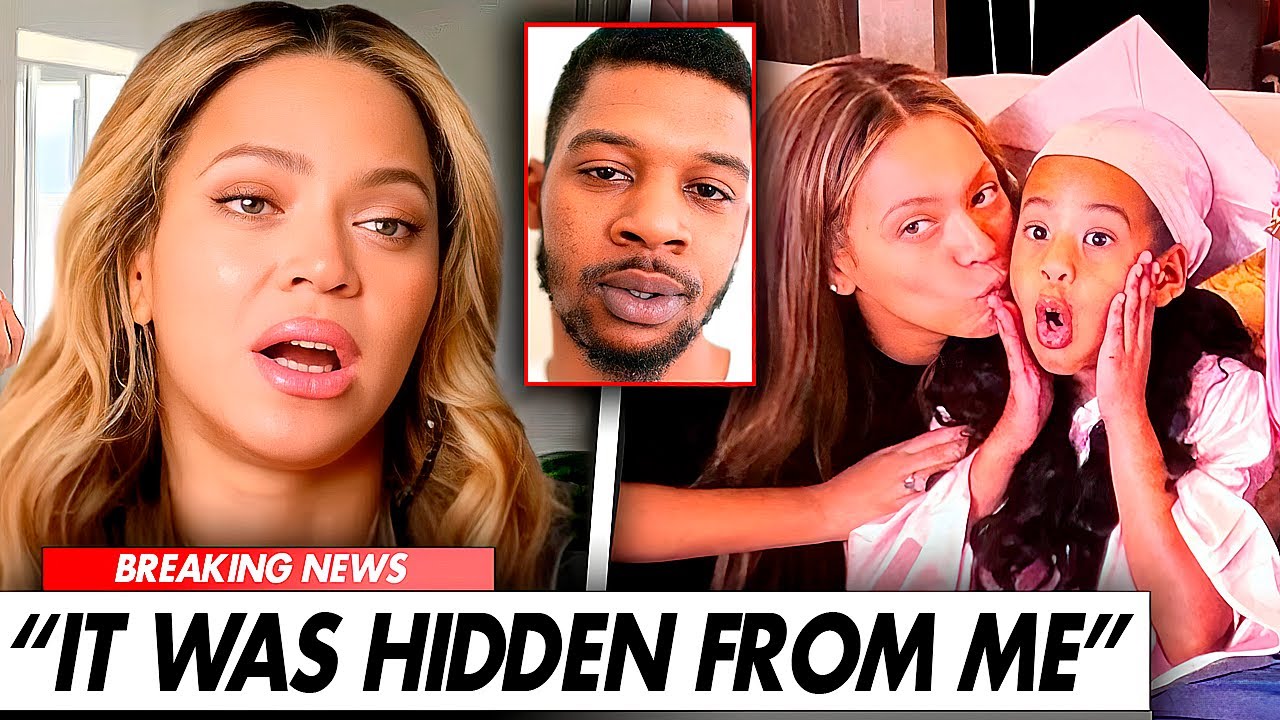
It began quietly — with a document.
A clinical sheet of paper, allegedly detailing DNA results, passed from one anonymous source to another before landing in the restless ecosystem of the internet.
Within hours, screenshots multiplied.
Comment sections ignited.
And once again, the names of Beyoncé and Jay-Z were pulled into a storm neither of them publicly acknowledged.
If this is just a rumor, why did it travel so fast? And if it is not, who benefits from its sudden appearance?
The document itself, as circulated online, appears clinical and detached — rows of percentages, genetic markers, technical terminology that most readers do not fully understand but instinctively fear.
It allegedly points to a biological connection long speculated about in corners of social media that thrive on unfinished stories.
The claim: that a child identified by online whispers as Jay-Z’s “real son” is genetically linked in a way that reshapes a narrative carefully constructed over decades.
But here is where the story turns from gossip to something more unsettling.
There has been no official confirmation that the document is authentic.
No verified laboratory has stepped forward.
No court filing accompanies it.
And yet, the silence from the Carter camp feels almost deliberate.
For two artists who have historically controlled their narrative with surgical precision — from album rollouts to personal revelations — the absence of denial becomes its own kind of statement.
Or does it?
Public memory is short, but the internet’s is not.
Over the years, whispers about Jay-Z’s alleged secret child have surfaced more than once.
Lawsuits have been filed, then dismissed.
Claims have emerged, then faded.
Each time, representatives for Jay-Z have firmly denied paternity allegations, calling them baseless and opportunistic.
None have resulted in legally recognized proof.
None have altered the official family portrait: Beyoncé, Jay-Z, and their three children.
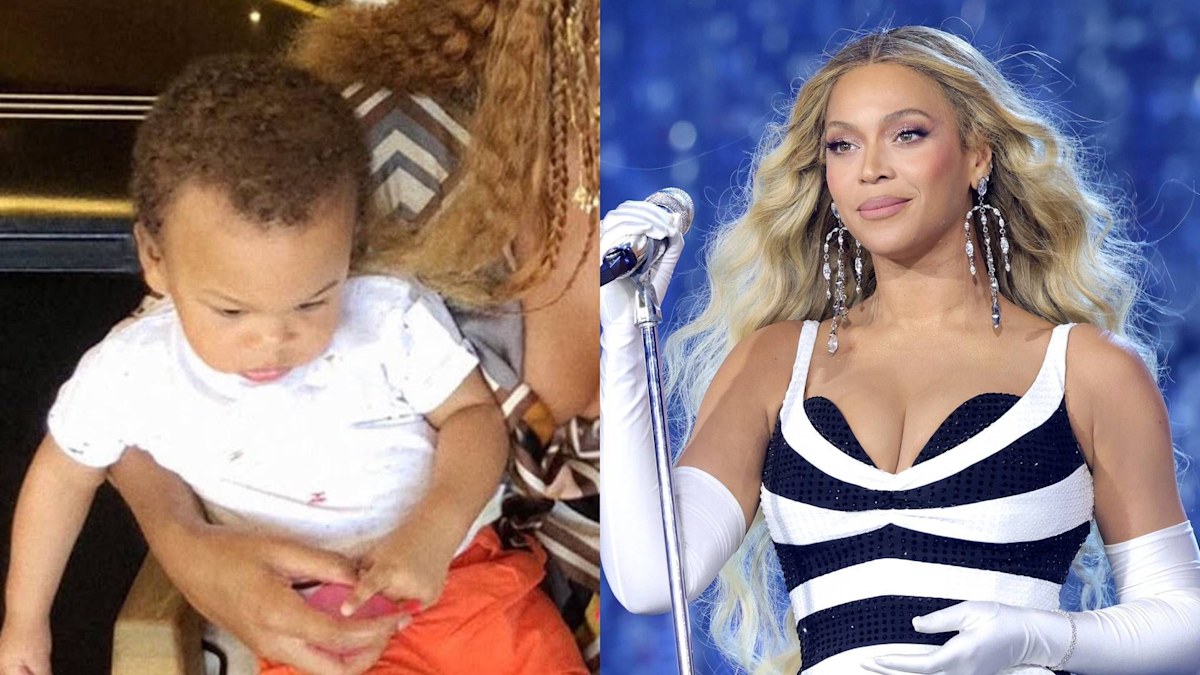
And yet this time feels different to those watching closely.
Perhaps it is the timing.
Beyoncé is in a powerful era of reinvention, expanding her creative empire with calculated boldness.
Jay-Z, equally strategic, remains one of the most influential figures in music and business.
Their combined brand is not simply celebrity — it is legacy.
Dynasty.
A narrative of triumph, partnership, and generational wealth.
A DNA leak, real or fabricated, threatens not only personal privacy but the architecture of that legacy.
Social media detectives have dissected the alleged report frame by frame.
Some point out inconsistencies in formatting, suggesting forgery.
Others argue the specificity of the genetic markers would be difficult to fabricate convincingly.
A handful claim insider confirmation from unnamed sources close to unnamed labs — a familiar pattern in modern scandal cycles.
No one, however, has produced verifiable evidence beyond the circulating images.
Still, the question lingers: why now?
In Hollywood, timing is rarely accidental.
A leak can distract from another story.
It can shift attention.
It can pressure negotiations.
It can generate clicks.
It can test public reaction before a controlled disclosure.
Or it can simply be a cruel fabrication designed to destabilize a family whose influence stretches far beyond entertainment.
There is also the human cost often buried beneath speculation.
If there is a child involved — real, alleged, or misidentified — that child exists beyond headlines.
Paternity rumors are not abstract narratives; they attach to living people.
They shape identities.
They follow families for decades.
And yet, the internet devours such stories without pause.
Observers note something else: Beyoncé’s public persona has always balanced power with protection.
She reveals strategically.
She withholds deliberately.
When she chooses to address deeply personal matters, she does so on her own terms — in lyrics, in documentaries, in carefully curated statements.
She does not react impulsively.
She responds when the narrative serves a larger purpose.
Which makes the current quiet either entirely predictable — or deeply calculated.
Those close to the music industry describe the Carters as masters of timing.
If there were something to address, they would address it when it benefits them, not when demanded by trending hashtags.
Silence, in that framework, is not weakness.
It is leverage.
But skepticism persists.
Critics argue that powerful celebrities can rely on public fatigue.
If they do not respond, the story eventually burns out.
Attention shifts.
The algorithm finds a new target.
In that sense, silence becomes strategy by default.
Legal experts who have weighed in anonymously suggest that authentic DNA evidence tied to a high-profile figure would typically surface through court proceedings, not anonymous leaks.
A verified test establishing paternity would likely be accompanied by legal action — child support claims, custody filings, or formal acknowledgment.
None of those have materialized in connection to this latest wave.
Yet the emotional logic of scandal does not wait for legal documentation.
In online forums, users debate facial features, timelines, old photographs.
They revisit past interviews, searching for cryptic comments that could now read as confession.
Every archived clip becomes potential evidence.
Every vague lyric transforms into prophecy.
The story feeds itself.
And beneath it all lies a deeper cultural fascination: the idea that even the most meticulously curated lives might conceal secrets.
That behind immense wealth and global adoration, there are fractures unseen.
That legacy can be complicated by biology.
But perhaps the most compelling question is not whether the DNA document is real.
It is why people want it to be.
Scandal democratizes power.
It shrinks icons to human scale.
It reassures audiences that no one is untouchable.
In an era of relentless exposure, privacy itself can appear suspicious.
The less celebrities reveal, the more audiences imagine.
Meanwhile, industry insiders caution against overinterpretation.
“Extraordinary claims require extraordinary proof,” one veteran publicist reportedly told a media outlet off record.
Screenshots are not proof.
Viral posts are not verification.
Speculation, no matter how widespread, does not equal fact.
And still, the clicks continue.
If the document is false, someone engineered a narrative powerful enough to destabilize the internet for days.
If it is true, then a far more complex reckoning awaits — one involving legal acknowledgment, emotional consequences, and a reshaping of a family brand built over decades.
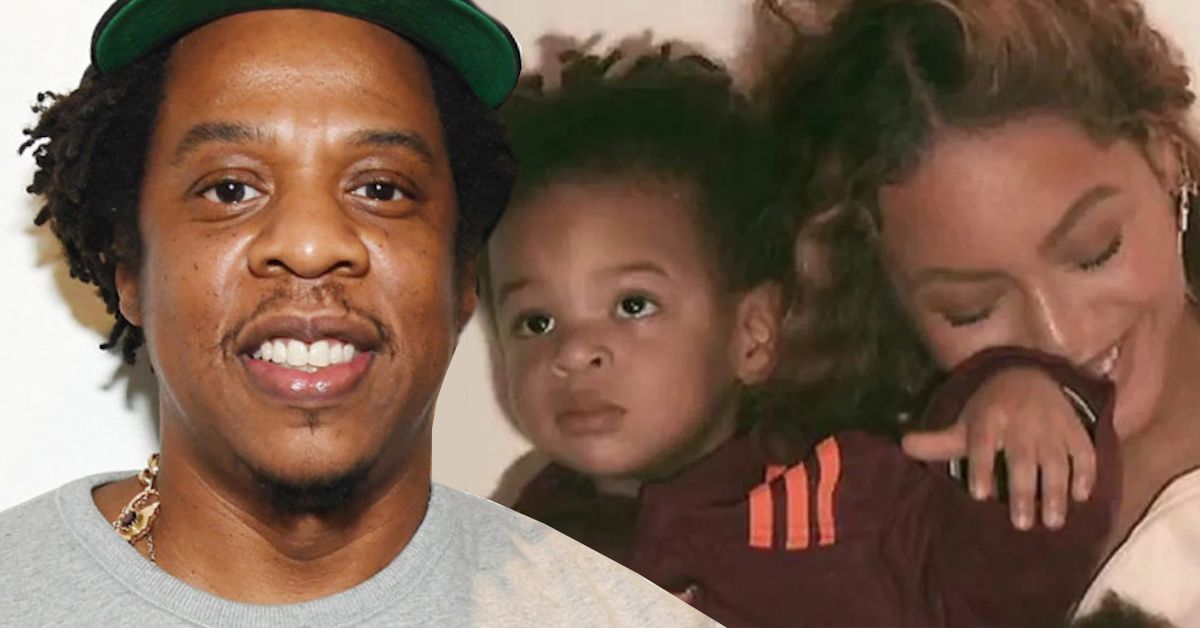
Until verified evidence surfaces, the story exists in a suspended state — neither confirmed nor conclusively debunked.
It hovers in that gray zone where modern celebrity scandals thrive.
For now, Beyoncé and Jay-Z remain publicly unchanged.
Appearances scheduled.
Businesses operating.
No visible cracks in the façade.
The empire stands.
But in the digital age, perception can shift faster than fact.
So we return to the original question: if this is merely a rumor, why did it spread with such velocity? And if it is something more, who ultimately benefits from its exposure?
Perhaps the answer lies not in the DNA report itself, but in the machinery of attention that amplifies it.
Because sometimes the most powerful force in Hollywood is not truth — it is timing.
And timing, as history repeatedly shows, is rarely accidental.