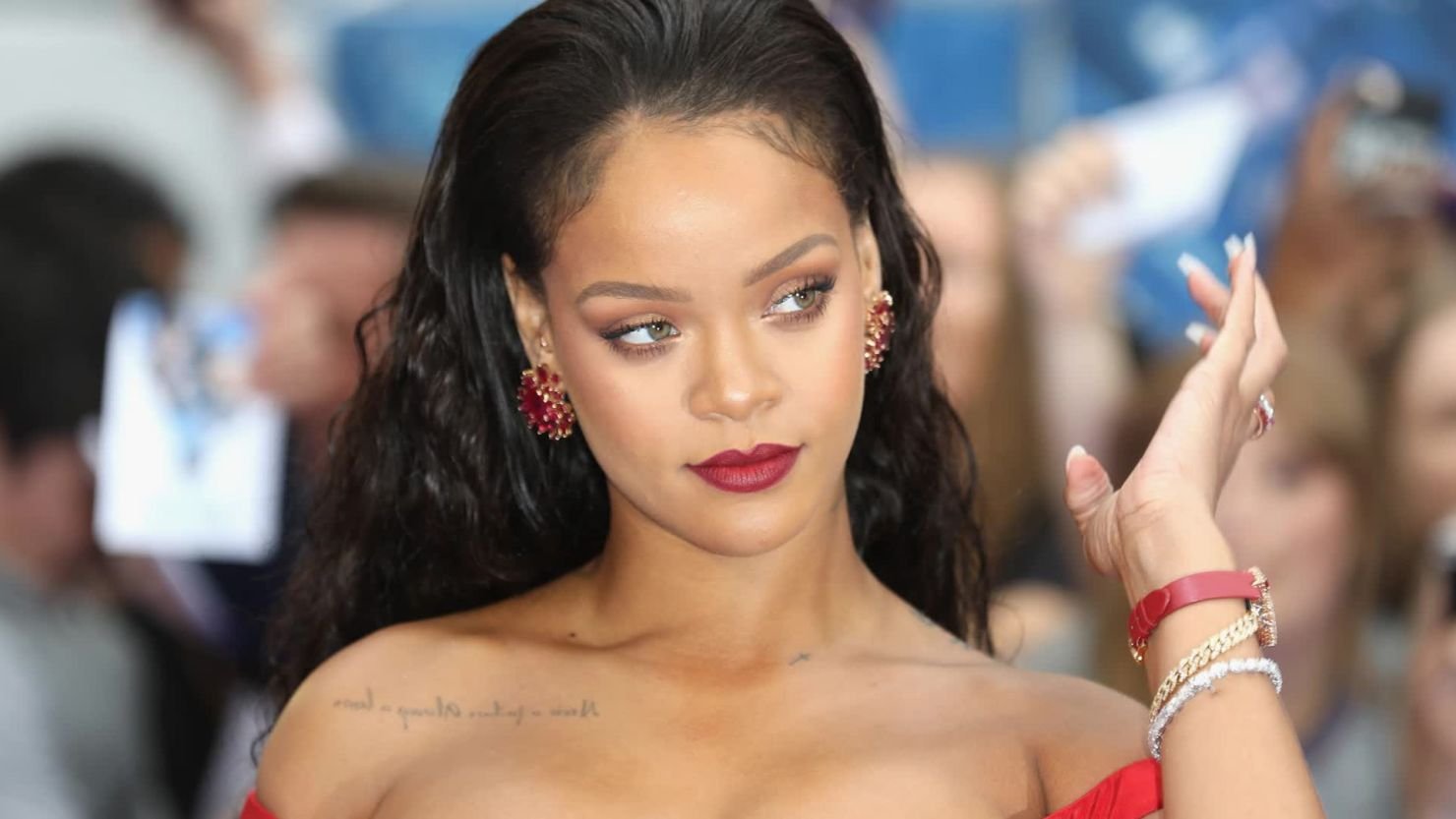
RIHANNA DONATES ENTIRE $300,000 EVENT PROCEEDS TO ORPHANAGE, CALLING IT “THE EASIEST THING IN MY LIFE” — A MOMENT THAT MOVED THE WORLD

This article is a fictional, entertainment-style narrative created for storytelling purposes.
No one saw it coming.
Just hours after an emotional post from Rihanna began circulating rapidly on X, capturing hearts across continents, the global superstar quietly made an announcement that transformed a moving moment into something far more powerful. Without fanfare, without a press conference, and without attaching her name to a branded campaign, Rihanna revealed that she would be donating the entire $300,000 proceeds from her recent event to an orphanage—an act she described simply as “the easiest thing in my life.”
What followed was a wave of emotion that extended far beyond her fan base.
The original post that sparked the moment was already resonating deeply. In it, Rihanna reflected on gratitude, responsibility, and the weight of being able to help when so many cannot. The words were raw, unpolished, and unmistakably personal. Fans initially responded with messages of support, empathy, and admiration, believing the post itself was the gesture.
They were wrong.
Shortly after the post went viral, Rihanna shared a follow-up message confirming that every dollar raised from the event—amounting to $300,000—would go directly to support an orphanage, funding shelter, education, meals, and long-term care for children with no safety net. There were no conditions attached. No percentages held back. No delayed timelines.
One hundred percent. Immediately.
Within minutes, the announcement spread across platforms. Entertainment outlets paused their usual cycles. Comment sections that normally buzz with debate turned unusually unified. The story wasn’t trending because of controversy or spectacle—it was trending because people were genuinely moved.
Industry insiders noted how rare such a moment has become in modern celebrity culture. While philanthropy is often publicized through structured foundations or long-term initiatives, this decision felt different. It was spontaneous, deeply human, and intentionally understated. Rihanna didn’t frame the donation as a sacrifice. She framed it as obvious.
“When you have more than you need,” she reportedly told those close to her, “the question isn’t why give. It’s why wouldn’t you?”
That sentiment struck a chord.

Fans across the world shared their own stories of adoption, foster care, and growing up without stable families. Many wrote about how the gesture felt personal, not performative. Social workers and nonprofit advocates praised the decision not only for its financial impact, but for the visibility it brought to children often overlooked in global conversations.
What made the moment even more striking was the absence of spectacle. There were no staged photo opportunities at the orphanage. No livestreams of the donation process. No branded hashtags urging engagement. In fact, representatives confirmed that Rihanna specifically requested that the focus remain on the children—not on her.
“She didn’t want this to be about her generosity,” a source familiar with the situation shared. “She wanted it to be about their future.”
Colleagues in the entertainment industry echoed that sentiment. Artists, producers, and fashion figures publicly applauded the move, describing it as a reminder of what influence looks like when used with intention. Several noted that Rihanna has long supported humanitarian causes, but this moment felt particularly resonant because of its timing and tone.
It came not during an album rollout.
Not alongside a business launch.
Not tied to an awards season narrative.
It came simply because she could help—and chose to.
Media analysts pointed out that the donation arrived at a moment when public trust in celebrity activism has grown increasingly fragile. Audiences have become more skeptical of gestures that feel curated or transactional. In that climate, Rihanna’s decision cut through the noise precisely because it lacked polish.
There was no attempt to turn compassion into content.
And that may be why it landed so deeply.
Within 24 hours, the story had reached international headlines. Translations appeared across languages. Fan communities organized their own small fundraisers inspired by the gesture. Some orphanages reported increased inquiries from donors who cited Rihanna’s action as their motivation.
The ripple effect was undeniable.
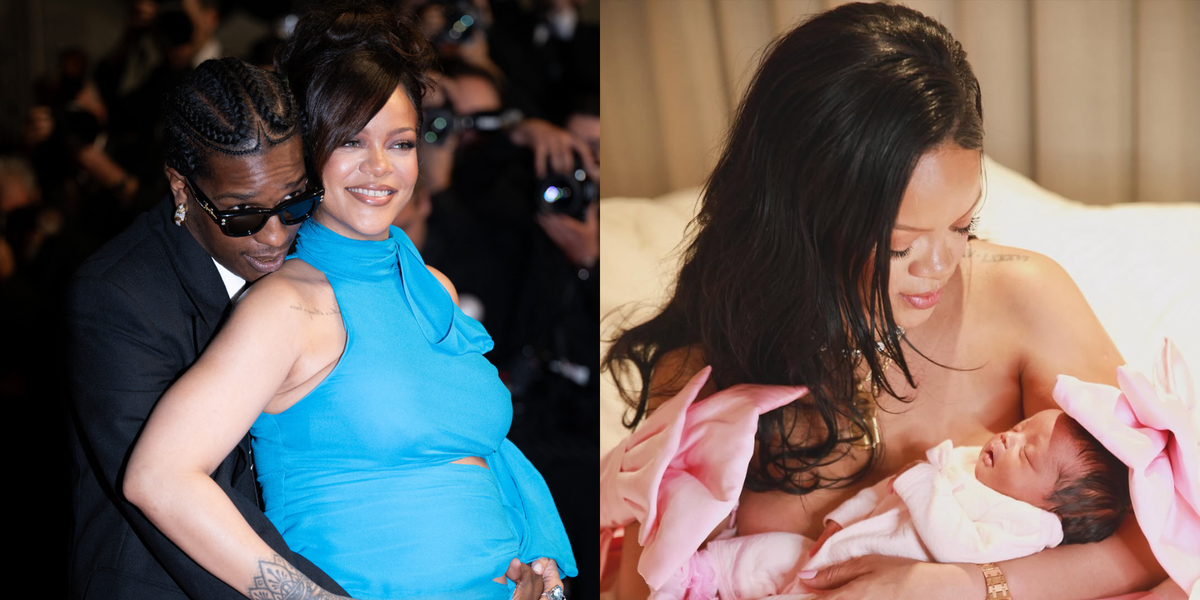
Yet, true to form, Rihanna didn’t linger in the spotlight. After the announcement, she returned to silence—no interviews, no extended commentary, no reposting praise. Those close to her say that was intentional. The moment wasn’t meant to grow. It was meant to do its work and move on.
Still, its impact remains.
In an era defined by numbers—streams, sales, views, valuations—this moment reframed what value looks like. Not measured in exposure, but in lives changed quietly and permanently. Not amplified by headlines, but by outcomes.
For many watching, the donation wasn’t just an act of kindness. It was confirmation of something they believed about Rihanna all along: that behind the icon, the fashion mogul, and the chart-topping artist is someone deeply grounded in empathy and responsibility.
As one widely shared comment put it, “This isn’t charity as branding. This is humanity as instinct.”
And perhaps that is why the moment will last.
Because long after the viral posts fade and the news cycle moves on, there will be children who sleep safely, eat regularly, and dream bigger—because someone with the power to help chose to act without hesitation.
For Rihanna, it was “the easiest thing.”
For the world watching, it was a powerful reminder of what real impact looks like.