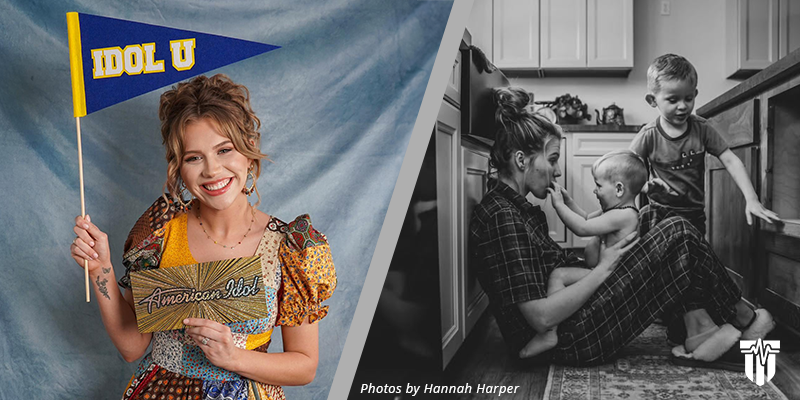
She didn’t walk onto the American Idol stage chasing virality or industry validation. She walked on as a mother of three, carrying a story that already felt lived-in — and by the time Hannah Harper finished singing “Whole ’Nother Lady,” the room knew it had just witnessed something rare.

From the first line, the performance felt intimate, almost conversational, as if Hannah wasn’t auditioning so much as confessing. Her voice carried the weight of transformation — not the glossy kind, but the kind earned through sleepless nights, responsibility, sacrifice, and self-rediscovery. “Whole ’Nother Lady” became more than a song title. It became a declaration. This was a woman who had grown into herself quietly, away from spotlights, and had finally found the courage to step forward.

What stunned viewers wasn’t vocal acrobatics or showy runs. It was restraint. Hannah sang with the confidence of someone who knows exactly who she is now — and who she used to be. Each lyric landed with intention, shaped by motherhood and the emotional recalibration that comes with it. You could hear the years in her voice. You could feel the life behind the notes.
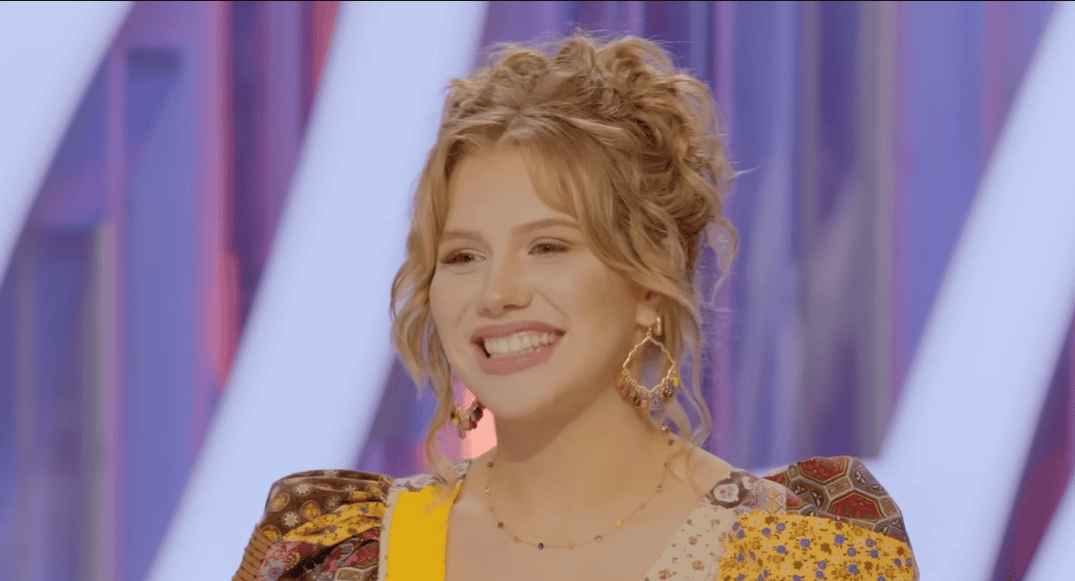
Almost instantly, social media lit up. Fans weren’t just praising the performance — they were pleading. “Put this on Spotify.” “I need this song on repeat.” “This isn’t just an Idol moment, this is a real song.” The reaction was visceral, fueled by recognition. So many listeners saw themselves in Hannah’s delivery: women who had evolved, rebuilt, and redefined themselves after becoming everything for everyone else.
The judges’ response mirrored the audience’s. There was admiration, yes — but also respect. Hannah wasn’t framed as a hopeful chasing a dream. She was treated as an artist who had arrived fully formed, simply waiting for the right moment to be heard. That distinction matters. It’s what elevated the performance from memorable to meaningful.
“Whole ’Nother Lady” resonated because it told a story that rarely gets center stage. It spoke to growth that happens off-camera, to ambition that pauses and then returns stronger, to identity reshaped by love and responsibility rather than lost to it. Hannah didn’t leave her motherhood at the door — she brought it with her, and it became her greatest strength.
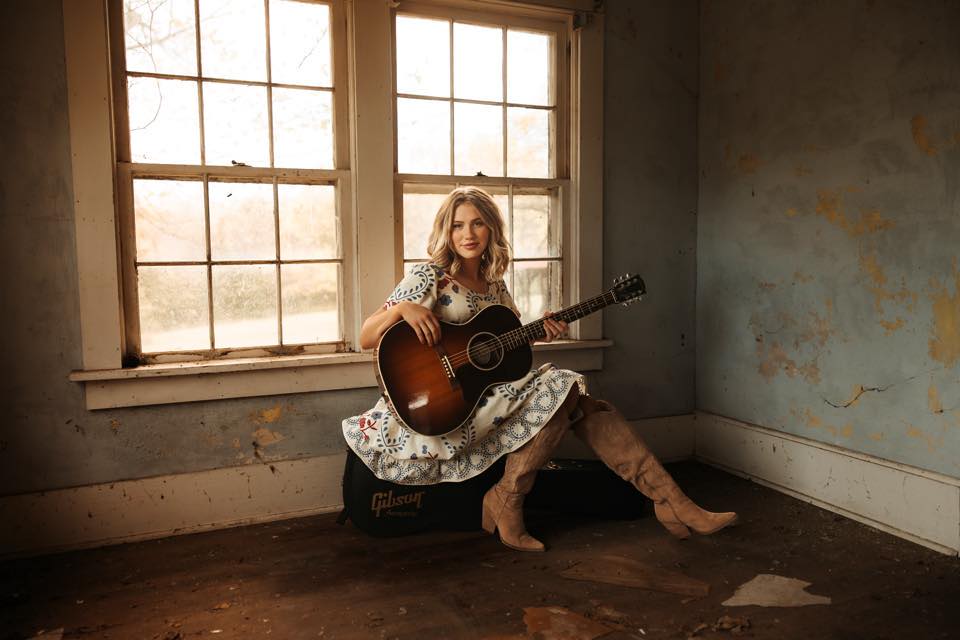
As calls for a Spotify release grow louder, one thing is already clear: Hannah Harper didn’t just win hearts. She claimed space. In a season crowded with talent, she reminded viewers that sometimes the most powerful voices belong to those who have lived long enough to know exactly what they want to say — and are finally brave enough to sing it.