HE RUINED MY LIFE 🔴 Blue Ivy, Beyoncé’s daughter, reveals for the first time the reason behind her long absence and speaks out against the man who ruined her life. Don’t scroll past, because you definitely know him….
HE RUINED MY LIFE 🔴 Blue Ivy, Beyoncé’s daughter, reveals for the first time the reason behind her long absence and speaks out against the man who ruined her life. Don’t scroll past, because you definitely know him….
The phrase stunned fans around the world when it began circulating online, drawing immediate attention to Blue Ivy Carter, the daughter of Beyoncé and Jay-Z. After years largely shielded from public scrutiny, the young artist’s rare, emotional reflections sparked intense curiosity and widespread discussion across media platforms.
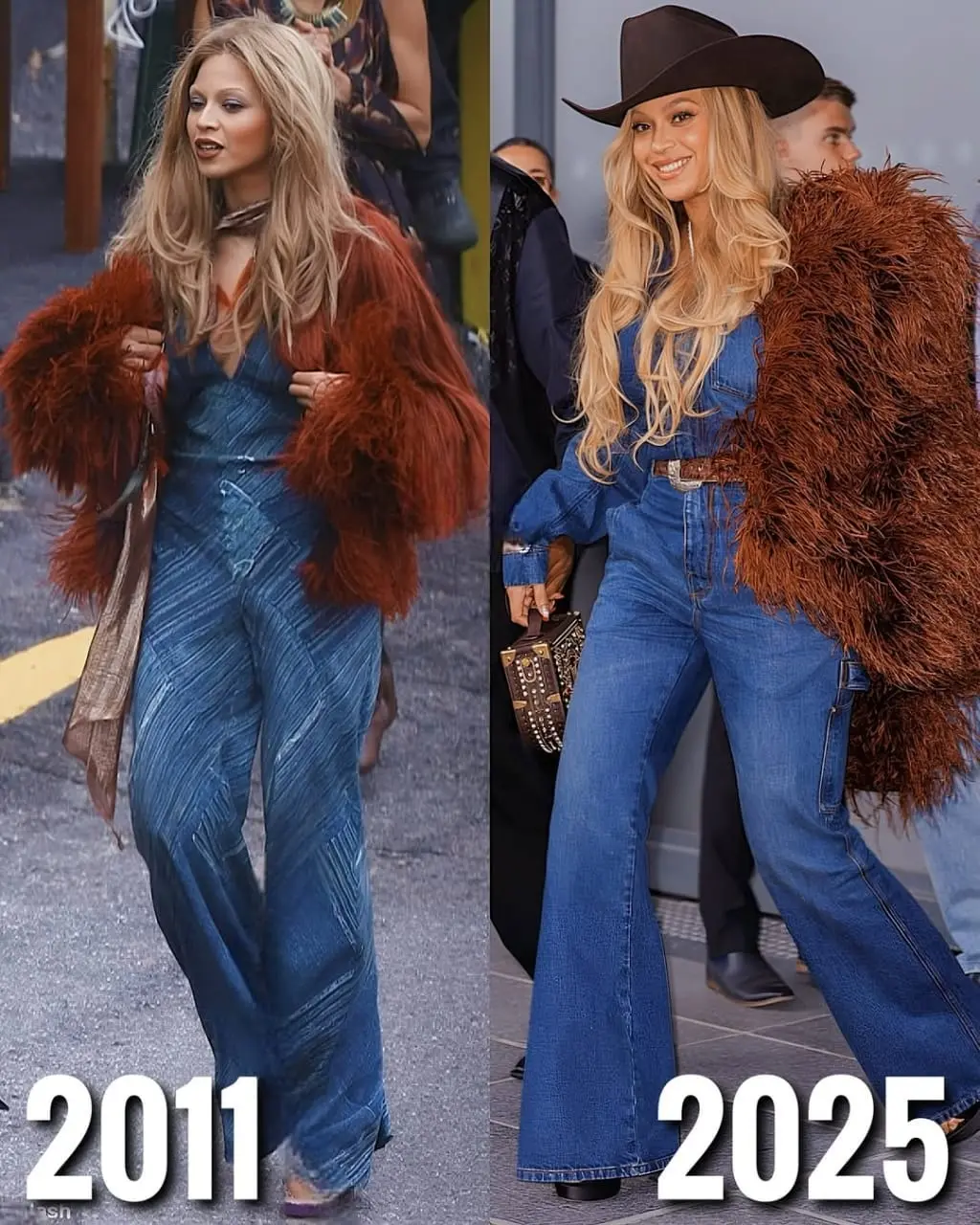
Blue Ivy has grown up in a world defined by fame, expectations, and constant observation. From early childhood appearances at award shows to moments shared sparingly by her parents, her life has been anything but ordinary. Her recent words, however, marked a shift from quiet presence to personal expression.

For the first time, Blue Ivy addressed her prolonged absence from public view, speaking not as a celebrity child but as a young person navigating pressure, identity, and emotional weight. She described a period of withdrawal that many assumed was simply privacy, but which carried deeper personal meaning.
Rather than naming individuals or making direct accusations, her message focused on the impact of experiences that shaped her sense of safety and trust. She spoke about how certain influences in her life left lasting emotional scars, altering how she viewed herself and the world around her.
Listeners were struck by the maturity in her tone. Blue Ivy emphasized that harm is not always loud or visible. Sometimes it comes through expectations placed too early, boundaries blurred, or voices that overpower one’s own before it has fully formed.
She described feeling silenced during a formative stage, unsure of how to articulate discomfort in an environment where strength and perfection were expected. The absence she referenced was, in her words, a necessary retreat to rediscover balance and self-worth.
Speculation quickly followed, fueled by the public’s tendency to search for villains and headlines. Yet Blue Ivy’s message resisted that framing. She avoided sensational claims, instead centering on healing, growth, and the importance of reclaiming one’s narrative.
Her comments resonated strongly with young audiences who have grown up under similar pressures, though on smaller stages. Many shared stories of stepping back from public spaces, social media, or demanding environments to protect their mental health.
Industry observers noted how rare it is for someone raised in such an influential family to speak openly about vulnerability. The entertainment world often celebrates resilience without acknowledging the cost of constant visibility, especially for children.
Blue Ivy highlighted that her journey was not about blame, but about understanding. She spoke of learning to differentiate between intent and impact, and how recognizing that difference helped her move forward without bitterness.
Her parents’ approach to privacy has long been deliberate, and her reflections suggested gratitude for the space eventually afforded to her. That distance, she explained, allowed her to grow beyond the expectations imposed by fame and legacy.
The response online was immediate and emotional. Fans praised her courage, while others urged restraint, reminding audiences that her words deserved respect rather than speculation. The conversation shifted toward protecting young people in high-profile environments.
Mental health advocates pointed out the broader implications of her message. Blue Ivy’s experience echoed ongoing concerns about child development under intense public pressure, reinforcing calls for stronger boundaries and support systems.
Rather than presenting herself as a victim, she framed her story as one of reclamation. She spoke about finding her voice through creativity, education, and trusted relationships that allowed her to rebuild confidence.
Her return to public life, she suggested, would be on her own terms. Not as a symbol or extension of her parents’ fame, but as an individual with agency, limits, and evolving dreams.
The ambiguity in her words was intentional. By refusing to name or accuse, she shifted focus away from scandal and toward reflection. The message was clear: healing does not require public judgment to be valid.
Media outlets attempting to frame the story as explosive or revelatory were met with pushback from fans who emphasized empathy over curiosity. Many argued that her courage lay in honesty, not accusation.
Blue Ivy’s statement ultimately challenged the audience as much as it revealed her past. It asked listeners to reconsider how they consume stories of pain, especially when those stories belong to young voices.
Her experience underscored the idea that absence is not always retreat, but sometimes survival. In stepping back, she protected something essential, returning only when she felt ready to speak for herself.
As the discussion continues, what remains most powerful is not the mystery surrounding her words, but the clarity of her intention. Blue Ivy chose reflection over spectacle, and in doing so, reshaped the narrative around her life.