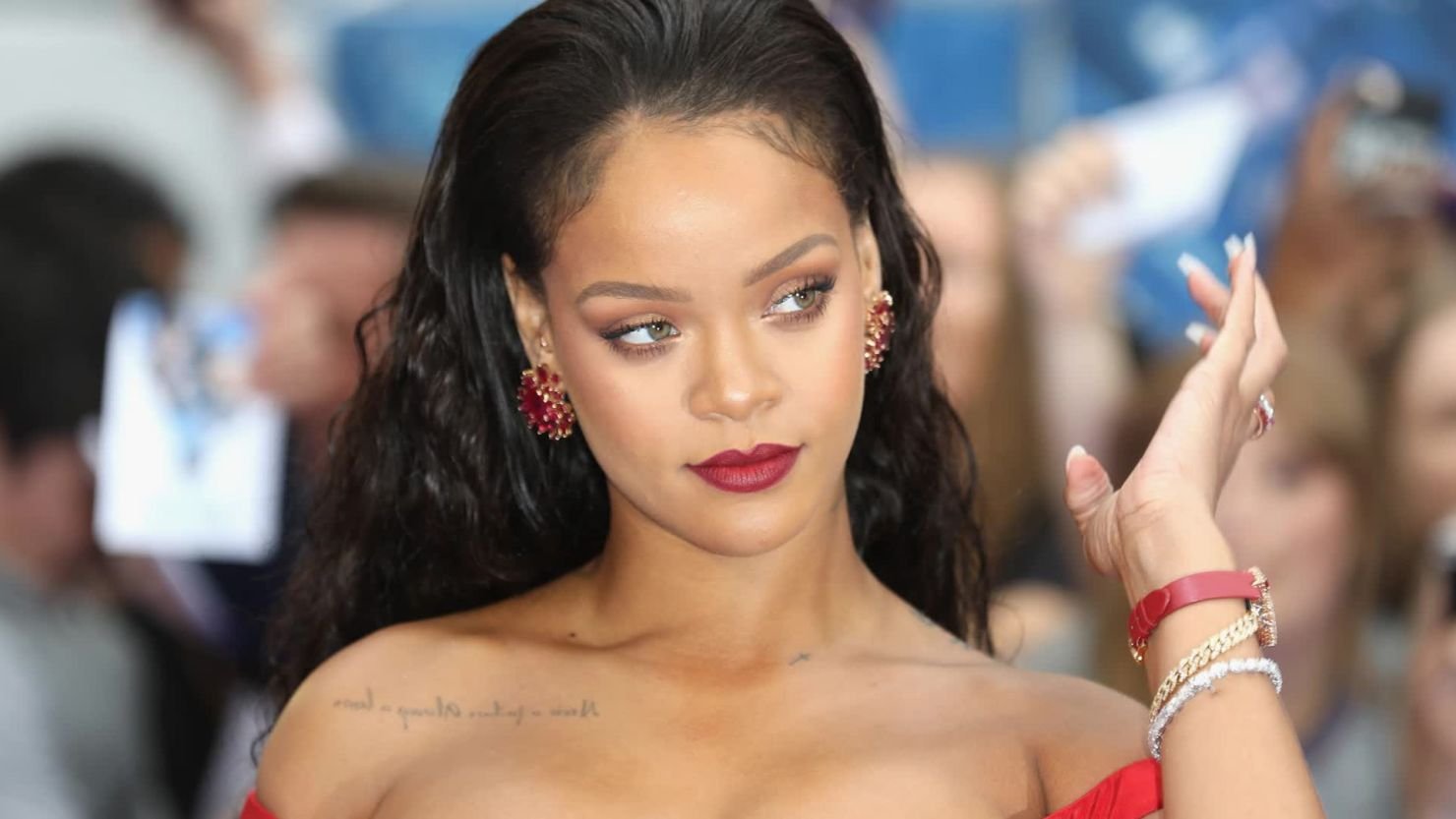
BREAKING — BARBADOS ROCKED BY RIHANNA CONTROVERSY: Pride, Power, and a Silence That Spoke Volumes

Barbados woke up to confusion, pride, and controversy all at once after reports emerged that the government was preparing to honor Rihanna once again as a “National Heroine,” citing her unparalleled global influence and decades of charitable work benefiting education, disaster relief, health care, and youth empowerment on the island.
For many Barbadians, the announcement felt like a natural continuation of history. Rihanna is not just a global superstar—she is a symbol of national identity, resilience, and cultural power. Her previous national honor was celebrated worldwide, cementing her status as a daughter of Barbados who carried her home onto the world stage.
But within hours, the narrative shifted.
Rumors began to circulate online and in local media suggesting that Rihanna had declined or distanced herself from the proposed ceremony, allegedly due to disagreements over certain government policies and priorities. No official documents were released. No confirmation was given. Yet speculation spread rapidly, triggering heated debate across the island and diaspora.
Was this a refusal—or a misunderstanding?
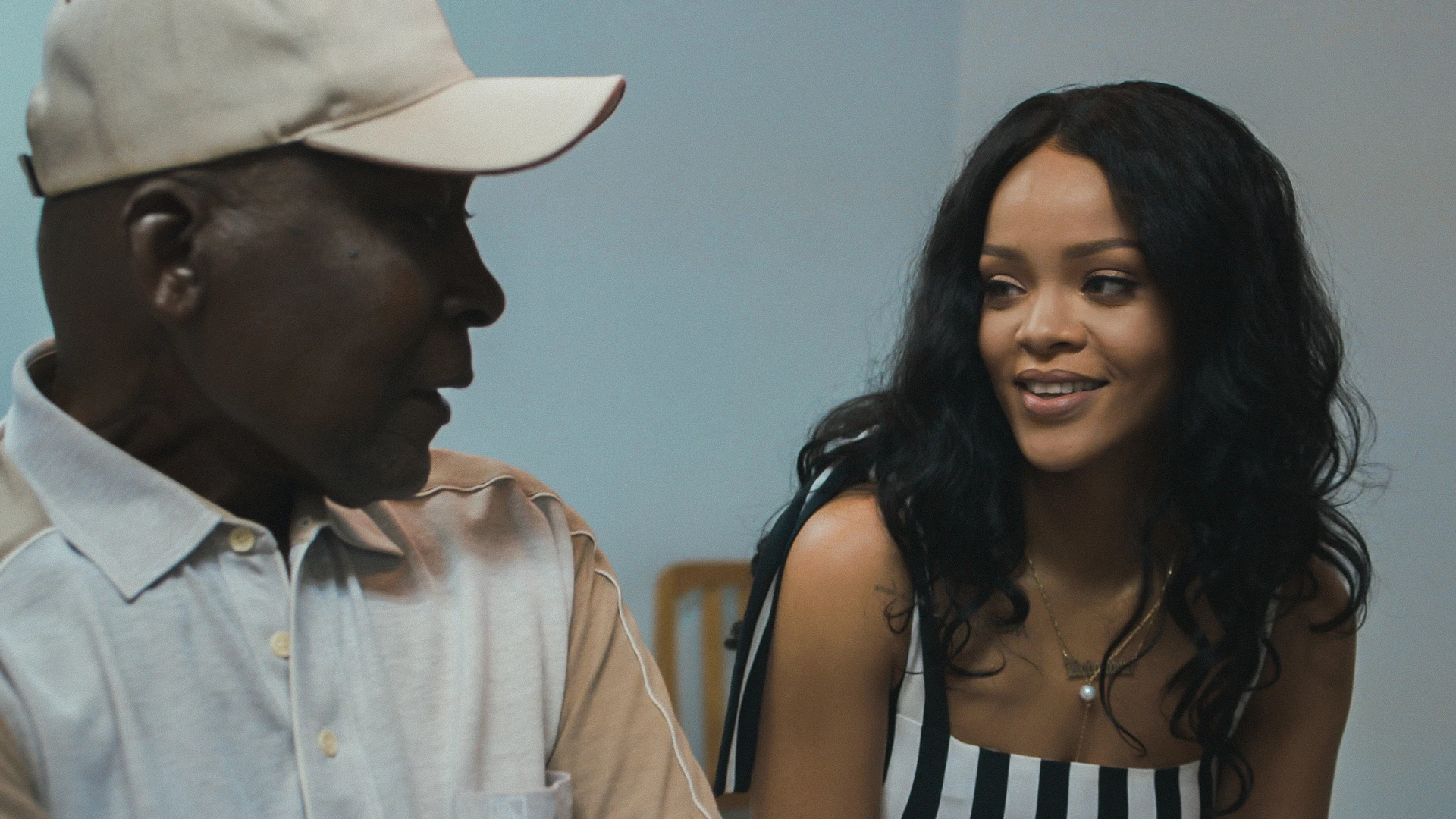
Was it a quiet protest—or simply a pause?
As confusion mounted, commentators clashed. Some praised Rihanna for allegedly standing on principle, arguing that symbolic honors mean little without substantive change. Others pushed back, calling the rumors disrespectful and urging patience until facts were confirmed. The absence of clarity only intensified the emotional reaction.
Then Rihanna broke her silence.
No press conference.
No extended statement.
Just ten words, posted quietly but unmistakably:
“Home is forever, nothing can change it.”
The impact was immediate.
For many, the message landed as reassurance—a declaration that regardless of politics, procedure, or public disagreement, her bond with Barbados remains unbreakable. Supporters interpreted it as dignity over drama, suggesting she refused to fuel speculation or politicize her identity.
Others read deeper layers. Was it a response without denial? A way to affirm love for her country while sidestepping the controversy entirely? Or a signal that conversations were happening behind closed doors, far from public view?
.jpg)
Government officials have since offered measured responses, emphasizing respect for Rihanna and declining to comment on internal discussions. No confirmation of refusal has been issued. No ceremony date has been announced. The questions, for now, remain unanswered.
What’s clear is that this moment has revealed something profound: Rihanna’s relationship with Barbados is no longer just symbolic—it is complex, mature, and powerful enough to withstand disagreement. Her influence is such that even her silence reshapes the national conversation.
Whether this chapter ends with a ceremony, a delay, or a quiet mutual understanding, one truth stands firm—echoed in the words that stopped a nation cold:
Rihanna may live on the world’s biggest stages, but Barbados is not a title she wears. It is who she is.