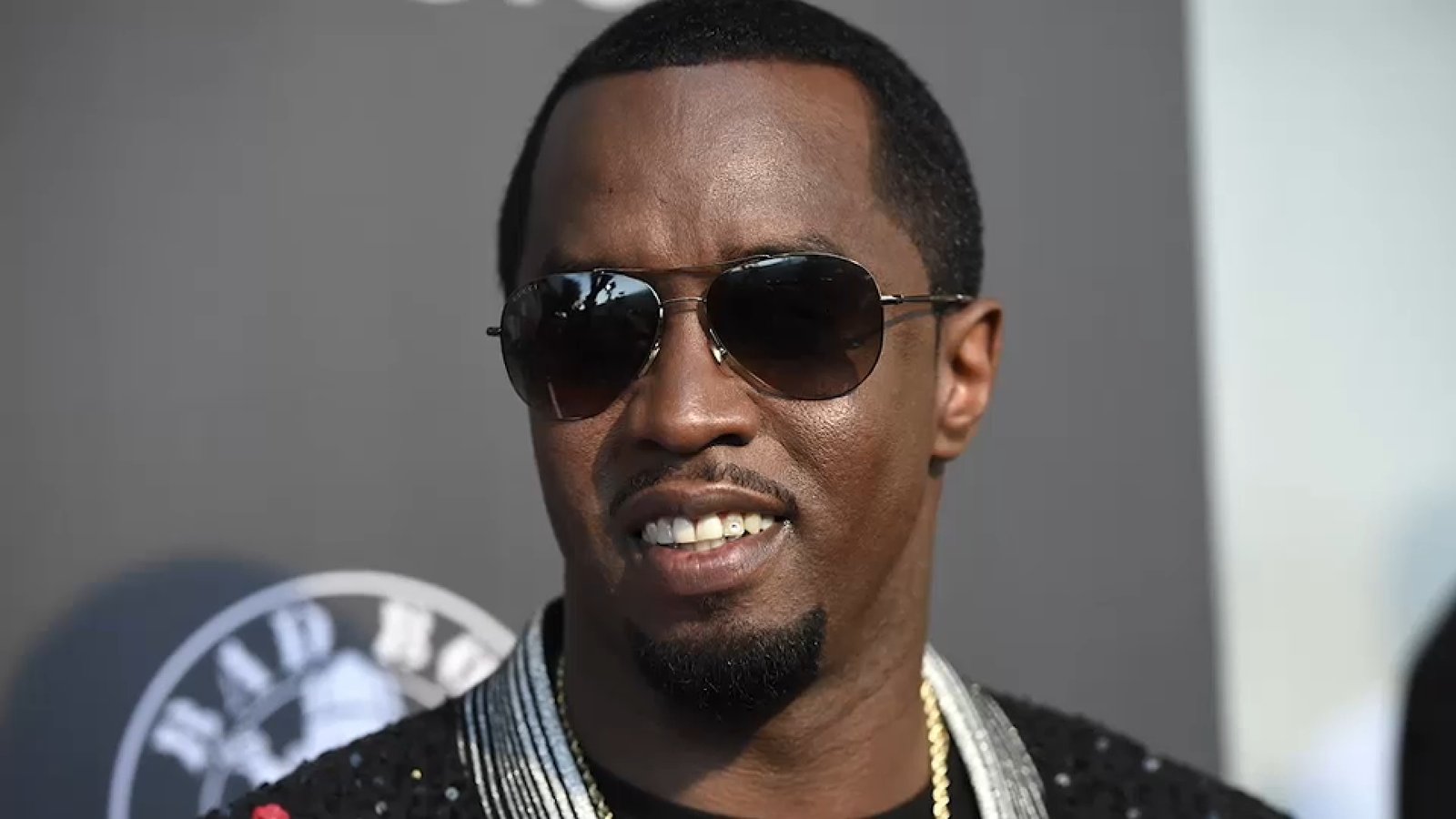
The release of Sean Combs: The Reckoning on Netflix in early December 2025 sent shockwaves through the entertainment world. Executive produced by Curtis “50 Cent” Jackson, the four-part series delved deep into Sean “Diddy” Combs’ rise to power and his dramatic fall following a high-profile federal trial. Combs was convicted on prostitution-related charges under the Mann Act and sentenced to over four years in prison, with credit for time served. The documentary featured never-before-seen footage, interviews with former associates, and a stark look at allegations of abuse and coercion spanning decades. Critics praised it for its thorough examination of Combs’ empire and the darker side beneath the glamour.
But for one woman, the series felt like another chapter in a long story of silence. Ally Carter, a self-described survivor who has been vocal about her experiences for years, expressed deep disappointment. She believed the documentary would finally shine a light on the most disturbing aspects of what she alleges happened in Combs’ orbit—claims involving the exploitation and trafficking of minors. Instead, she says, it sidestepped those details entirely, much like prosecutors did during the trial.

Carter first gained attention in 2020 when a video of her sharing her story went viral. She described being taken into a world of elite parties as a teenager, where she witnessed and endured horrors far beyond adult consensual acts. In interviews and live streams, she painted a grim picture: children locked in shipping containers alongside “shipments,” some non-English speaking, sick, or very young. Babies crying while others stared in helpless fear. She spoke of being starved in preparation for certain “jobs,” and rituals that involved heavy chains, animal involvement, and blood collection in what she called satanic gatherings.
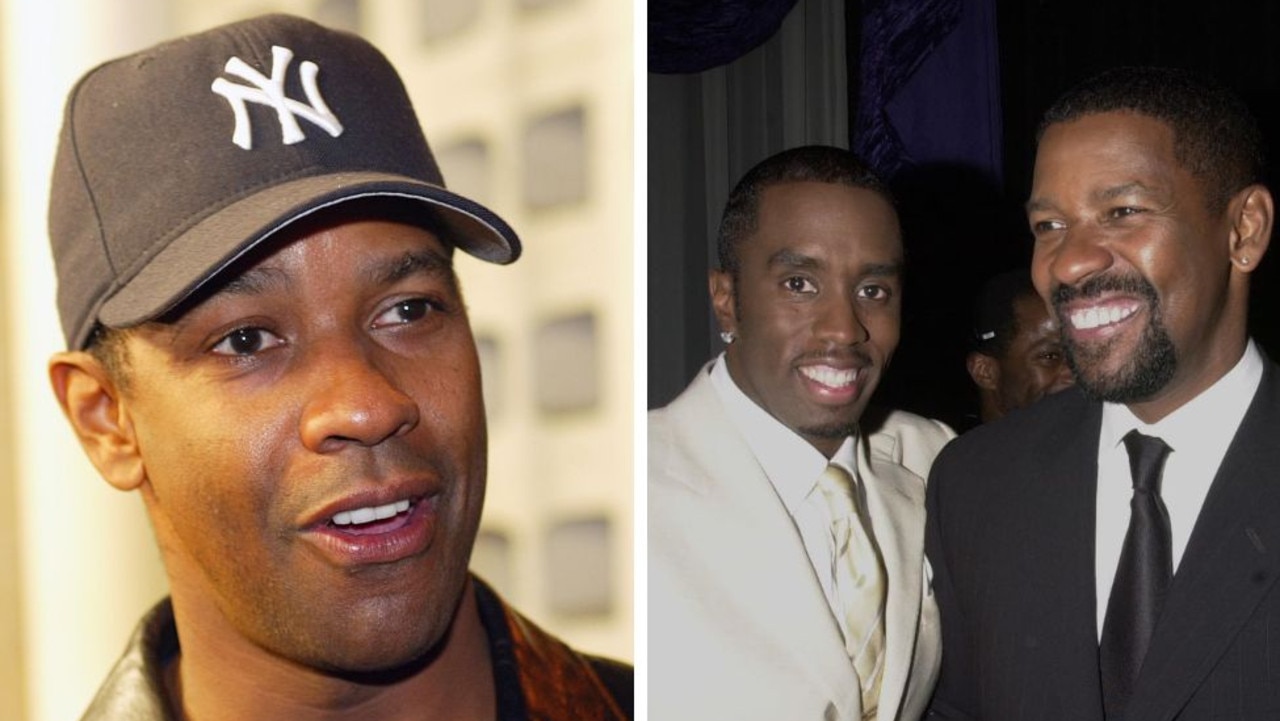
These weren’t just passing comments. Carter filed what she called an “Affidavit of Truth,” detailing specific allegations. She claimed young people were placed on tables like “party favors,” selected for intimate acts, then returned for others to choose. Separate areas for different fetishes, including some involving animals. She alleged being forced to participate, lying on tables alongside girls her age while donkeys and burros were brought in, all while partygoers watched. The affidavit mentioned names like Birdman, Yung Joc, and even Denzel Washington as part of the broader scene, though specifics varied in her public statements.
What makes Carter’s frustration with the documentary so poignant is the personal cost she says she’s paid. After going public, strange things started happening. Armed men allegedly targeted her, breaking into her home and ransacking it when she wasn’t there. She went live, showing the destruction—a once beautiful three-bedroom house reduced to chaos. Her family lost everything, forced to move while still paying rent on the ruined property. Addresses and license plates doxxed online, she claims, by groups tied to powerful figures.
At one point, Carter believed she was slated to testify in Combs’ trial. Reports suggested over 100 potential witnesses, and she was approached. But as preparations advanced, her role vanished. She alleges prosecutors, led by figures like Maurene Comey in New York, avoided questions about children entirely. Her testimony, focused on minors rather than adult “freak-offs,” would have broadened the scope dangerously—potentially implicating others beyond Combs, including politicians and celebrities. Instead, the case narrowed, humiliating Combs without opening that “can of worms.”
The feds eventually placed her in witness protection, she says, after a desperate video where she warned she might not survive much longer. Stalked, harassed, revictimized— that’s how she described the backlash. Regular people dismissed her as crazy, while authorities seemed bought by elites. No one, she felt, truly cared about the victims still suffering or those deleting social media to cover tracks.
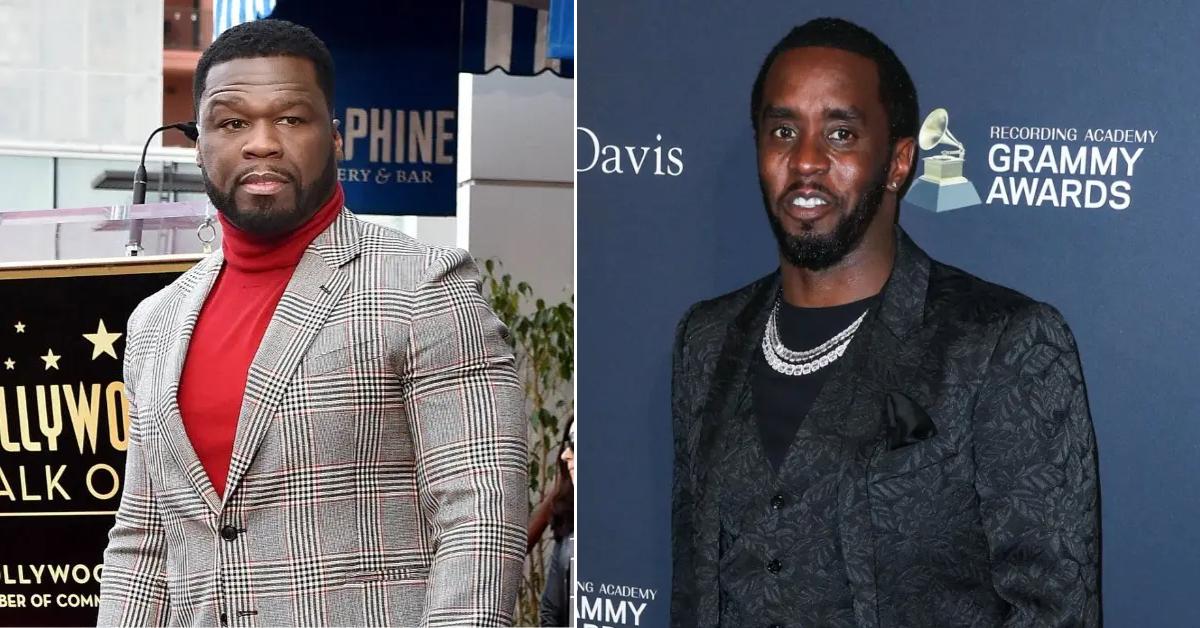
When The Reckoning dropped, Carter hoped 50 Cent—long a vocal critic of Combs—would include her perspective. He’d been aware of her claims for years, trolling Combs relentlessly online. Proceeds from the doc were even pledged to victims. Yet her story didn’t make the cut. The series focused on adult allegations: violence toward women like Cassie Ventura, coercive “freak-offs,” and Combs’ ambition masking control. Powerful testimonies from ex-girlfriends and insiders painted a damning portrait, leading to Combs’ conviction and ongoing appeals.
But no deep dive into child-related claims. Some online commentators noted the absence, speculating the doc avoided it to steer clear of unproven territory or elite entanglements. Others praised its restraint, calling it meticulous rather than sensational. Carter saw it differently: another humiliation tactic, slapping Combs on the wrist without exposing the full alleged depravity.
Her allegations aren’t new, circulating in fringe interviews and social media for years. She’s spoken of parents selling children for checks, foreign kids promised better lives but delivered into nightmare. Illuminati activities, bunkers, metal prongs—details that evoke disbelief in many. Skeptics point to the lack of mainstream corroboration, questioning why major outlets haven’t pursued her story aggressively. Supporters argue that’s the point: too graphic, too implicating.
:max_bytes(150000):strip_icc():focal(745x220:747x222)/50cent-diddy-beef-red-carpet-073124-5ab3e4c800e34973b04d07ac1d46ff18.jpg)
In the aftermath of the documentary’s success—millions of views, debates raging—Carter’s voice persists in corners of the internet. Photos circulate of her looking traumatized, mouth taped in one haunting image. Reactions vary: prayers for justice, calls for more footage from 50 Cent, demands to protect survivors.
Combs denies all such allegations, his team labeling documentaries like this “hit pieces.” He’s appealing his conviction, seeking release or resentencing. Civil suits pile up, but the criminal case closed on narrower grounds.
Carter’s story raises tough questions. In pursuing accountability for powerful figures, where do we draw lines on what’s “stomachable”? Do some truths get censored to secure convictions, or because they’re too explosive? Victims like her argue no detail should be spared if it means saving others.
The conversation doesn’t end with a Netflix series or a prison sentence. For survivors speaking out—at great personal risk—the fight for being heard continues. Whether Carter’s full account ever sees broader light remains uncertain. But her persistence ensures the darker questions linger, urging us to listen closer to those society often silences.

As public fascination with Combs’ saga evolves—memes, think pieces, more docs rumored—the human element grounds it. Real lives upended, traumas relived in courtrooms and cameras. Carter reminds us that behind headlines are people who paid prices we can barely imagine, still seeking a reckoning that includes them.
In a culture quick to consume scandal but slow to confront its depths, stories like hers challenge comfort zones. They demand we ask: What if there’s more? And are we ready to face it?