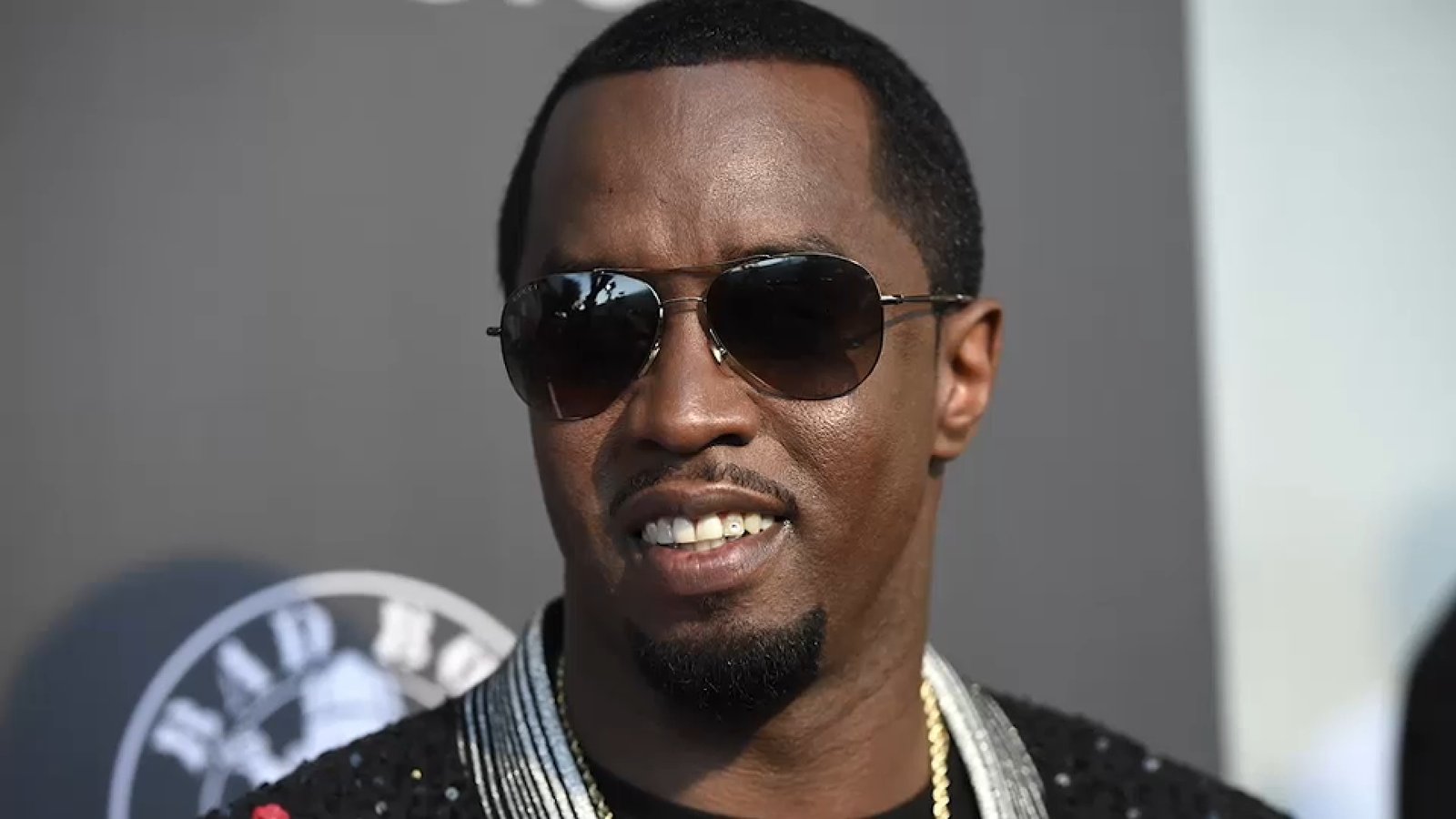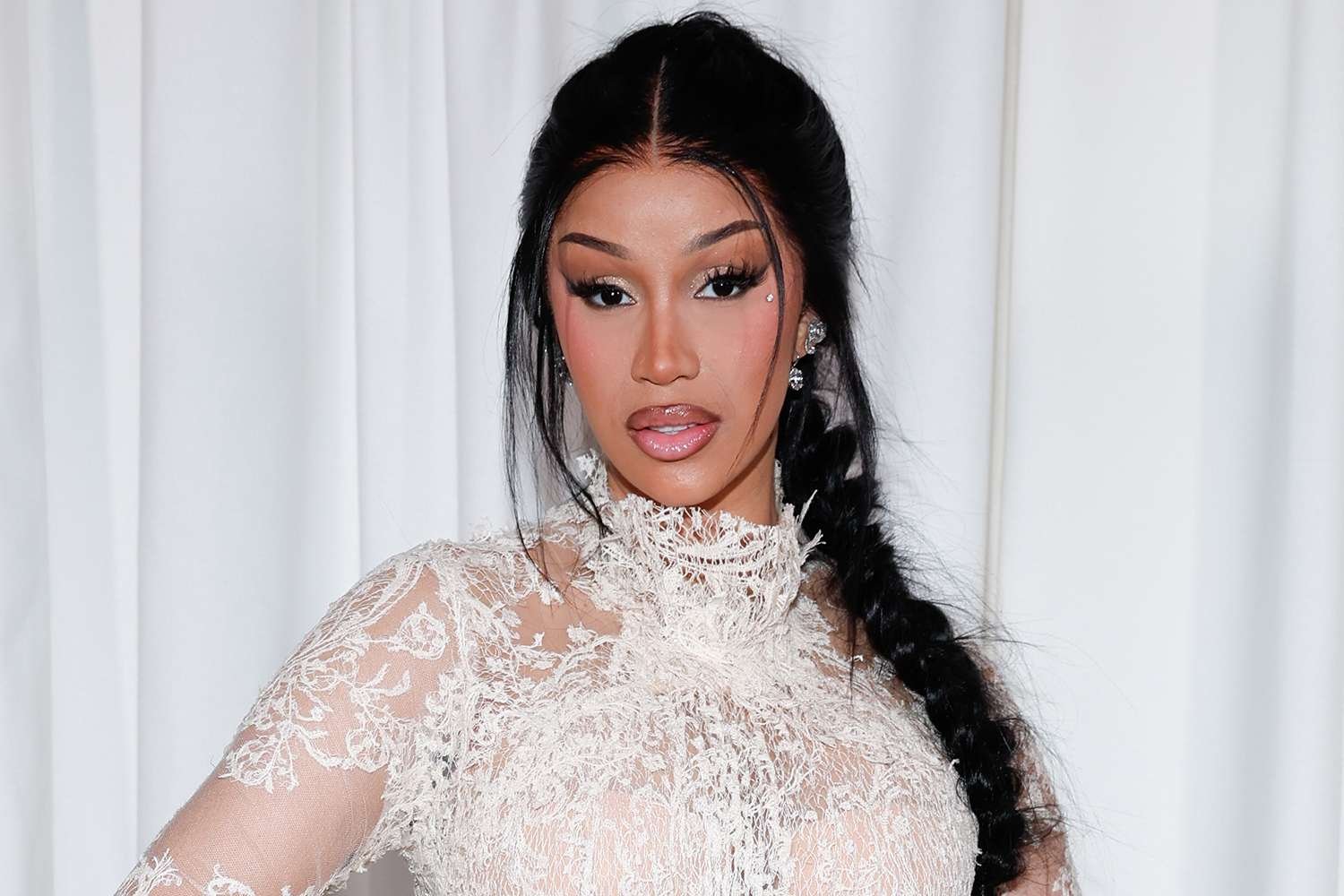
“Your Move.” — Cardi B’s 4 A.M. Live Stream Sends Shockwaves Through the Industry After Alleged Intimidation Message
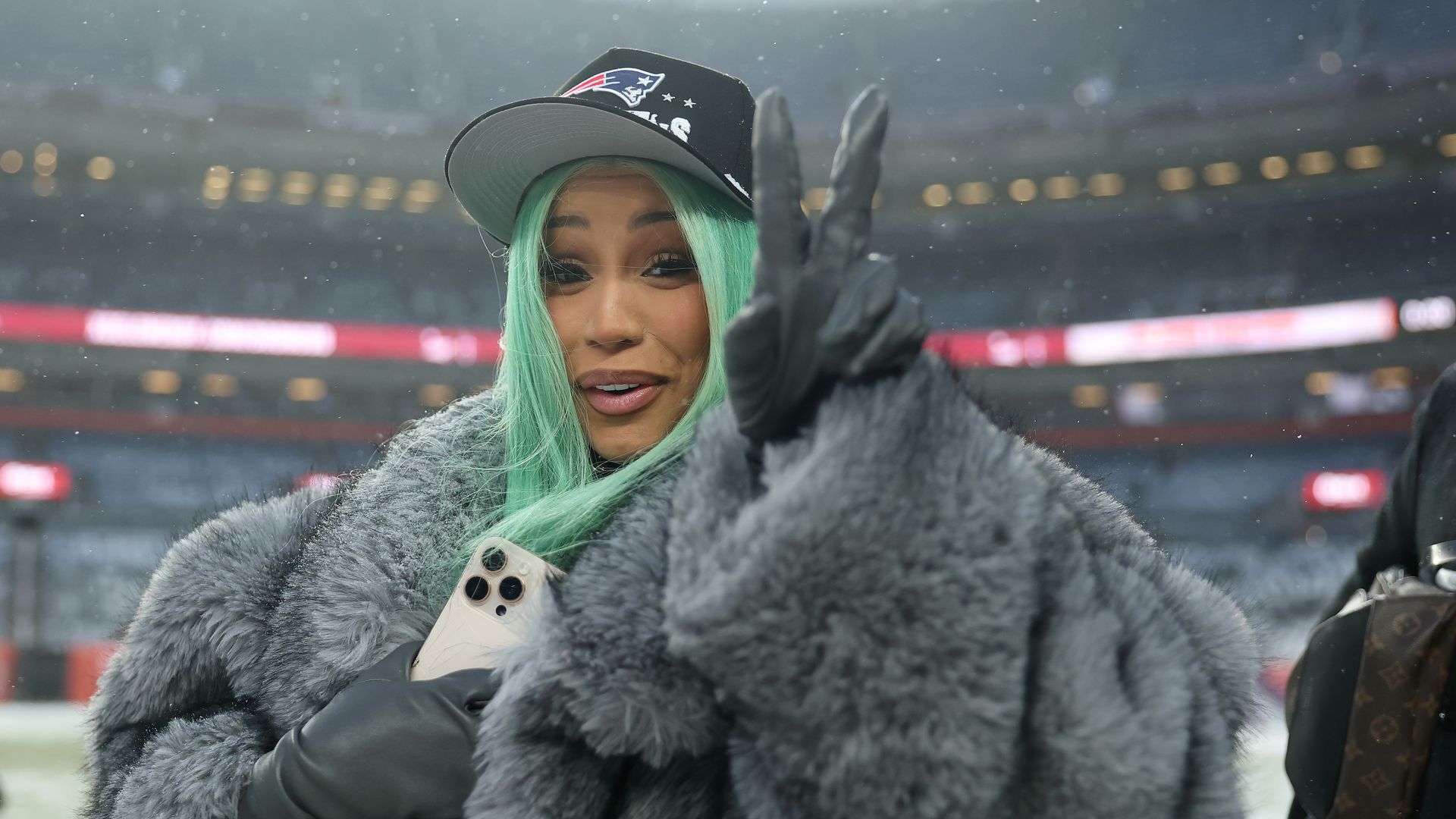
At 4:07 a.m. in New York City, while most of the industry slept, Cardi B went live.
There was no announcement. No teaser. No countdown. Fans who happened to be awake were met with something deeply unsettling: silence, a bare room, and an artist who looked nothing like the polished global superstar they are used to seeing.
No makeup. No jewelry. No music.
Just Cardi B — and a warning.
A Live Stream Without Protection
Cardi did not wait for interviews, press statements, or legal filters. She didn’t call a publicist or set up damage control. She pressed “Go Live” in the middle of the night, alone, wearing black jeans and a plain top, her hair still damp, her phone clutched in her hand.
“This isn’t about clout,” she said early on. “This is about safety.”
She told viewers that at 1:44 a.m., less than three hours earlier, she had received a message from what she described as a verified account connected to a powerful figure. According to Cardi, the message contained a single sentence.
She read it aloud.
“Keep poking around where you don’t belong, Cardi, and don’t expect the industry to protect you.”
She paused after reading it. No dramatic reaction. No raised voice.
“That’s not hate,” she said. “That’s intimidation.”
“This Isn’t the First Time”

As the live stream continued, Cardi made it clear this message did not come out of nowhere. She spoke calmly but firmly about a pattern — one she claims many artists quietly understand but rarely acknowledge publicly.
She described being warned before. Told to “relax.” Encouraged to stay quiet about certain topics. Reminded how quickly doors can close in an industry built on access and relationships.
“They tell you to entertain,” she said. “Smile. Dance. Don’t ask questions. Don’t challenge power.”
But this time, she said, felt different.
“Tonight feels like a line being crossed.”
Evidence Without Exposure
At one point, Cardi lifted her phone toward the camera. The screen was visible — but deliberately blurred. Viewers could see notifications lighting up, the phone vibrating in her hand, but not the content itself.
She explained why.
“I’m not stupid,” she said. “I know how this works.”
According to Cardi, she was not trying to expose the individual publicly in that moment. She was trying to document the pressure — to create a record, in real time, without intermediaries.
“So if anything happens to me,” she said, “my career, my deals, my opportunities — you’ll know exactly where the pressure came from.”
The implication was chilling: the fear was not physical harm, but professional erasure.
The Silence Between Buzzes
Midway through the stream, the phone vibrated again. Cardi looked down at it, then placed it on the table without reading it. The buzzing continued briefly, audible through the microphone.
She did not flinch.
“I’m not backing down,” she said. “I’m not starting drama. I’m standing my ground.”
There was no accusation by name. No speculation. Just a clear line drawn in public, without spectacle.
The Final Moment
After nearly ten minutes, Cardi stood up. She placed the phone on the table, still buzzing intermittently, and addressed the camera one final time.
“See you tomorrow,” she said.
Then she paused.
“Or don’t.”
She stepped out of frame.
The camera continued recording, fixed on an empty chair, the faint vibration of a phone still audible. After several seconds, the live stream ended.
Immediate Fallout
Within minutes, clips of the live stream were circulating across social media. Fans, journalists, and industry insiders reacted in real time, many stunned by both the content and the delivery.
What unsettled people most was not anger or theatrics — it was restraint.
Cardi did not cry.
She did not rant.
She did not dramatize.
She documented.
An Industry That Thrives on Quiet Pressure

For years, artists have hinted at unseen power dynamics in music, film, and entertainment — influence exerted quietly, consequences enforced subtly. Lost opportunities. Unreturned calls. Deals that vanish without explanation.
What Cardi did differently was remove the buffer.
By going live in the moment, without preparation or legal framing, she shifted the balance. The message was no longer private. The pressure was no longer invisible.
Industry analysts note that such moves are rare precisely because of the risks involved.
“This is why most people stay quiet,” one entertainment attorney commented anonymously. “Not because they’re lying — but because the consequences are real.”
No Official Responses — Yet
As of this writing, no named individual or organization has responded publicly to Cardi’s statements. No confirmations. No denials. No clarifications.
That silence has only intensified speculation.
Some observers urge caution, emphasizing the need for verified evidence and legal process. Others argue that the lack of response itself is telling.
What is clear is that the live stream has forced a conversation many prefer to keep private.
A Calculated Risk, or a Necessary One?
Those close to Cardi describe her as fully aware of the risks involved. This was not an impulsive breakdown, they say, but a deliberate act of self-protection through visibility.
“She didn’t expose anyone,” one source said. “She exposed the system.”
By making the moment public, Cardi effectively ensured that any sudden shifts in her career would be scrutinized, not ignored.
What Happens Next
No one knows what the next step will be — legally, professionally, or personally. Cardi has not announced follow-up statements or press appearances.
But one thing is undeniable: the narrative has changed.
This is no longer gossip.
This is no longer rumor.
This is a documented moment of resistance.
In an industry built on controlled narratives, Cardi B chose something radical at 4 a.m.
She chose transparency.
And with one quiet sentence — “Your move” — she placed the pressure back where she says it belongs.