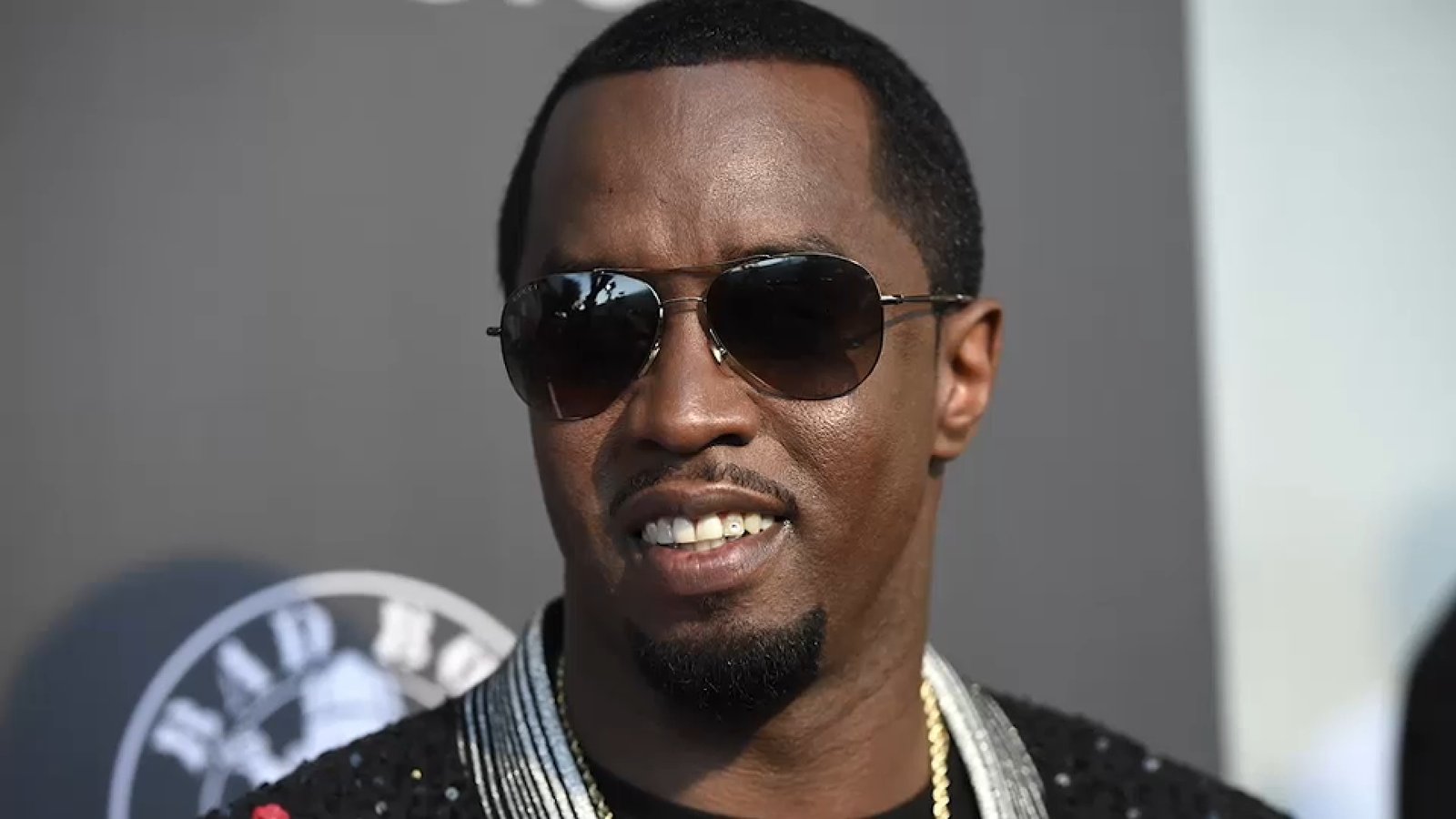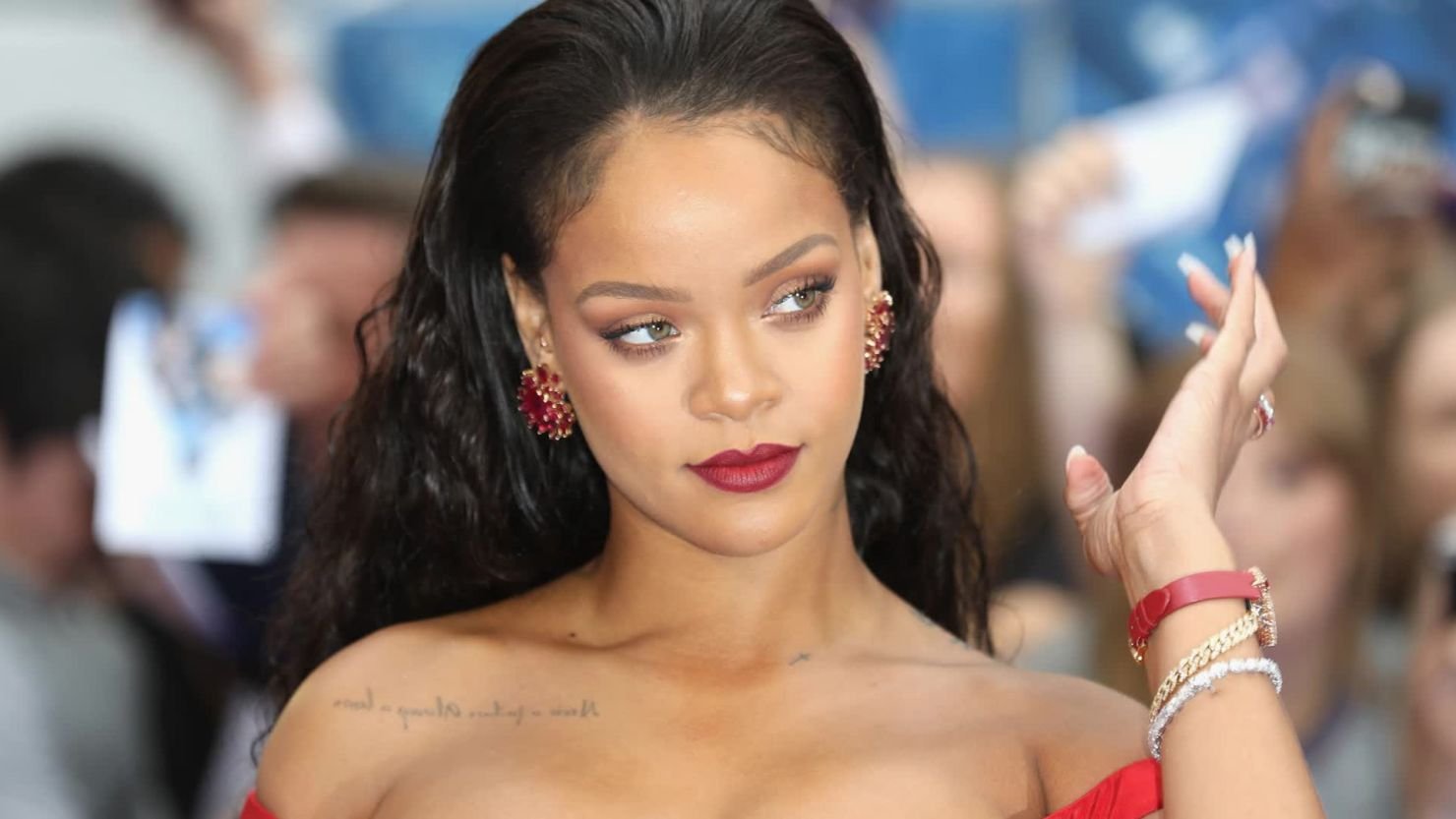
Some stories do not begin with fame or fortune. They begin with the sound of laughter in a modest home, with whispered lessons under the Caribbean sun, and with the calloused hands of a father who believed his daughter could reach beyond every limit. Behind the image of a global superstar lies a private journey, one shaped by love, sacrifice, and the kind of loss that transforms even the strongest into something more fragile. This is the untold story of Rihanna and her father, Ronald Fenty — a story of devotion, imperfection, and the grief that now defines her silence.
Rihanna’s childhood in Barbados was marked by struggle, but also by resilience. Ronald Fenty was not a man of wealth or privilege; he was a man who carried the burdens of responsibility and hardship, yet still found ways to instill hope in his daughter. He told her that her voice could take her places her feet never would, a phrase that became more than encouragement — it became prophecy. Those words planted the seed of ambition in a young girl who would one day conquer the world stage. “My father always said my voice was my ticket,” Rihanna once recalled. That belief became the foundation of her journey, long before the world knew her name.
:max_bytes(150000):strip_icc():focal(1008x589:1010x591)/Rihanna-dad-Ronald-Fenty-dies-053125-02-c3333f075c884cffb7a88de887cd9f38.jpg)
The relationship between father and daughter was not without its complexities. Ronald Fenty faced personal battles, from health issues to financial struggles, and at times those challenges created distance within the family. Yet even in moments of imperfection, Rihanna found lessons. She learned that strength is not the absence of hardship but the ability to rise in spite of it. She learned that love, though flawed, can still be profound. And she learned that the sacrifices of a parent, however quiet, can echo louder than applause. “He wasn’t perfect,” she admitted, “but he was mine, and he gave me the courage to dream.” Those lessons became the invisible scaffolding of her career, shaping not only the artist but the woman she would become.
When Ronald Fenty passed away in 2025, the headlines were brief, respectful, and distant. To the world, he was the father of a superstar. To Rihanna, he was the foundation of her life, and his death was the collapse of a pillar she had always leaned on. His passing was not just the end of a life but the closing of conversations left unfinished, promises left unfulfilled, and memories now frozen in permanence. The grief she carries is not the kind that fades with time, but the kind that reshapes a person’s understanding of love and legacy. “There are songs I will never sing the same way again,” she confided, “because they were meant for him.”

The impact of his absence reverberates through her artistry. In 2026, Rihanna has chosen to dedicate her creative era not to commercial milestones but to personal truth. Every performance, every lyric, every stage becomes a tribute to the man who first believed in her. Analysts have noted that this shift could redefine her legacy, moving her from the realm of pop icon to cultural storyteller. Yet for Rihanna, the motivation is simpler: it is about honoring her father’s memory in the only way she knows how — through music. “I can’t give him back the years he lost,” she said, “but I can give him every note I sing.” That vow transforms her art into something more than entertainment; it becomes a vessel of remembrance.
Fans across the globe, accustomed to seeing Rihanna as a symbol of strength and independence, now see her vulnerability. Social media has been filled with messages of empathy, with people sharing their own stories of parents lost too soon. In that collective mourning, Rihanna’s openness becomes a bridge, connecting her to millions in a way that transcends fame. The conversation shifts from celebrity gossip to human truth: that behind every icon is a family, a history, and a set of wounds that no success can erase. “She’s always been our soundtrack in hard times,” one fan wrote, “and now she’s showing us her own.”
Within her inner circle, the response has been equally profound. Collaborators and producers describe a renewed sense of purpose in her creative process, one guided not by charts or awards but by devotion. The industry, often driven by spectacle, pauses to recognize the authenticity of her journey. As one insider put it, “This era isn’t about breaking records. It’s about breaking silence.” That sentiment captures the essence of her transformation: the decision to turn grief into art, to let vulnerability become strength, and to allow the memory of her father to shape the future of her career.

As 2026 unfolds, audiences will witness more than concerts or albums. They will witness a daughter’s tribute, a living testament to the bond between father and child. The anticipation is not just about what Rihanna will create, but about how she will channel her loss into beauty. Commentators have observed that her performances now carry a different weight, a gravity that comes from singing not to the crowd but to the memory of one man. “Sometimes the loudest stage is the one built on silence and truth,” a journalist remarked, capturing the essence of her journey. In that silence, Rihanna finds her voice anew.
The story no one heard is not about fame, fortune, or accolades. It is about a father who believed in his daughter, a daughter who carries his lessons, and a grief that reshapes the meaning of success. It is about promises left unfinished and songs that now serve as memorials. And it is about the enduring truth that love, even when interrupted by loss, continues to define us. For Rihanna, the legacy of Ronald Fenty is not measured in headlines but in the quiet strength he instilled, the dreams he nurtured, and the music that now carries his memory forward. As she steps into this new era, the world will see not just a superstar, but a daughter singing for the father she lost — a story hidden in plain sight, finally told.