The conversation around 50 Cent’s latest moves says less about scandal and more about strategy. When The Game weighed in on why 50 Cent stepped into the Diddy documentary space, his take was blunt and unapologetic: this wasn’t about justice for Biggie or Tupac, and it wasn’t about personal hatred. According to The Game, it was about business. Pure and simple.
“50 Cent does everything in his life for money,” The Game said. “If it ain’t about money, he ain’t gonna talk about it.”
That statement alone reignited an old debate in hip-hop: where is the line between culture and commerce? And is there anything wrong with crossing it if you’re honest about the rules of the game?
For decades, 50 Cent has made one thing clear—he doesn’t pretend. While many artists wrap their decisions in morality, loyalty, or legacy, 50 has always leaned into a colder truth: attention is currency, controversy is leverage, and visibility is value. Whether people love him or hate him, they’re watching—and in today’s economy, watching is everything.
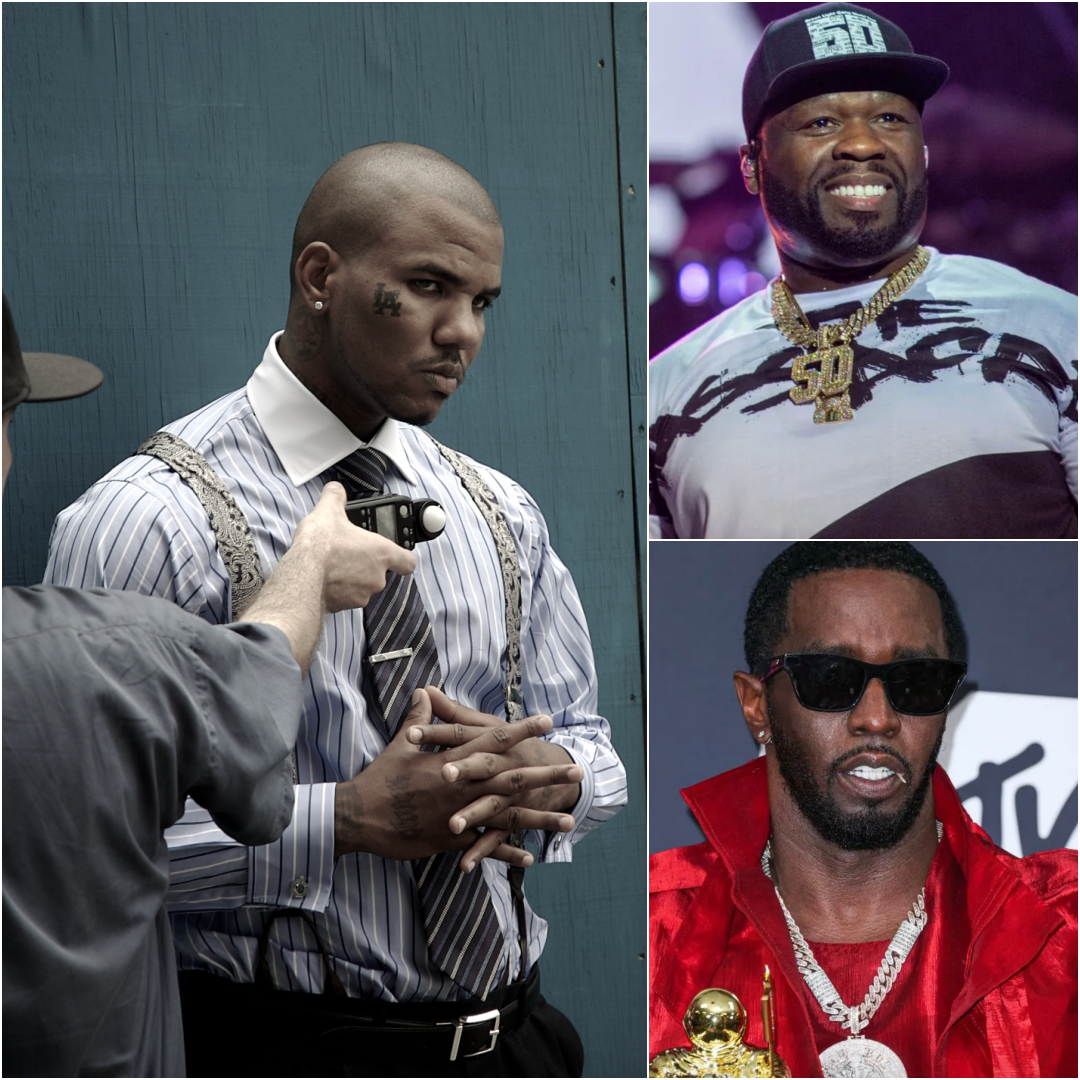
The Game’s commentary wasn’t meant as an insult. If anything, it was an acknowledgment of 50 Cent’s ruthless consistency. “He even makes money for hating on people,” he said. “He believes life is all about business.” That mindset has followed 50 from mixtapes to record deals, from Vitamin Water to television empires. The tactics change, but the principle doesn’t.
In that context, the Diddy documentary becomes less of a moral stance and more of a market move. Diddy’s name carries weight—decades of fame, controversy, and public fascination. Attaching yourself to that attention, even critically, guarantees eyes, clicks, and conversations. And where there are eyes, there is money.
Online, fans are already framing it in dramatic terms: while Diddy’s public image appears to be weakening by the day, 50 Cent is accused of flipping the moment into massive profit. Claims that he used the situation to generate tens of millions in a matter of days may be exaggerated, but the perception itself speaks volumes. In hip-hop, perception often matters more than the spreadsheet.
What makes 50 Cent different is that he doesn’t deny it. He’s never sold himself as a savior, a peacemaker, or a cultural guardian. He sells himself as a businessman who understands how narratives move markets. If outrage pays, he’ll monetize outrage. If conflict draws crowds, he’ll lean into conflict.
To some, that makes him cynical. To others, it makes him honest in an industry that often pretends money isn’t the main motivation. The Game’s words didn’t expose a secret—they confirmed what 50 Cent has been telling people for years.
In the end, this isn’t really about Diddy, Biggie, Tupac, or even documentaries. It’s about power in modern entertainment. The ability to turn moments into momentum. Names into numbers. Noise into revenue.
Love him or hate him, one thing is hard to argue: 50 Cent understands the business better than most. And in a world where attention is the most valuable asset, he keeps proving that controversy—handled correctly—can be just another revenue stream.
