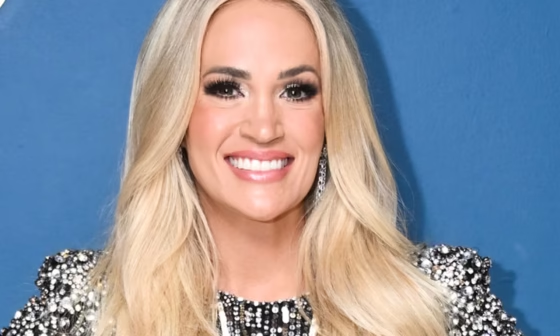
For twenty years, the image has been unmistakable.
A woman.
A baseball bat.
Shattered headlights and torn-up leather seats.
“Before He Cheats” became one of the most recognizable anthems of female rage and empowerment in modern music. But behind the fury, the destruction, and the unforgettable hook, there was a truth Carrie Underwood kept hidden — until now.
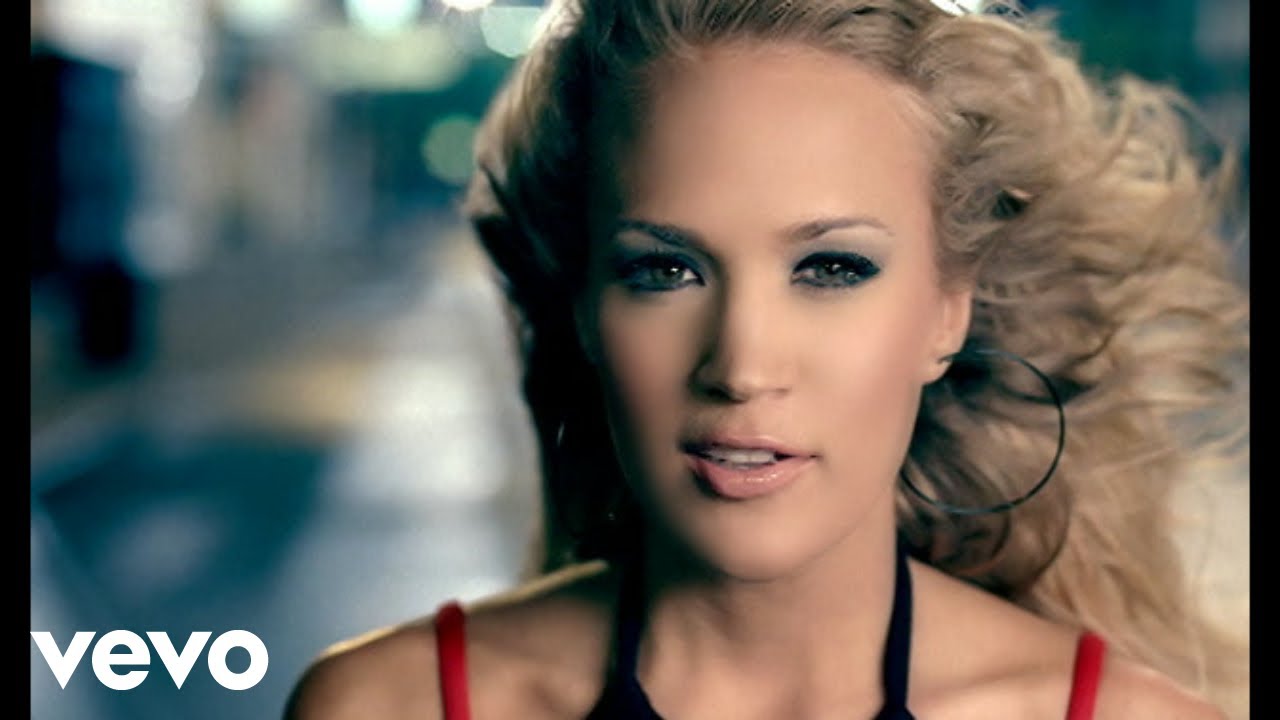
As she reflects on the song’s twentieth anniversary, Underwood is finally opening up about the internal war she faced before releasing the track that would either define her career — or derail it completely.
“It was straight up, a risk,” she admitted in a recent candid conversation.
“And I was terrified.”
The “Good Girl” Problem
In 2005, Carrie Underwood was the embodiment of country music’s wholesome era. She was America’s sweetheart — the Oklahoma girl with a flawless voice, a church-friendly image, and the fresh glow of an American Idol win.
Then came the demo for “Before He Cheats.”
The lyrics weren’t subtle. They were loud. Angry. Destructive. And for a young artist still proving herself, they felt dangerous.
“My label was worried. My team was worried,” Carrie said.
“But mostly, I was worried.”

She questioned everything. Would fans still see her as the woman who sang “Jesus, Take the Wheel”? Would conservative radio turn away? Would she be labeled something she couldn’t undo?
At the time, the industry wasn’t comfortable with women being that furious — especially not women with clean, carefully curated images. There was pressure to soften the song, to smooth its edges, or to choose something safer entirely.
The Moment That Changed Everything
The turning point came late one night in the studio.
Carrie remembers standing in the recording booth, staring at the lyric sheet, realizing that half-measures wouldn’t work. If she didn’t commit fully to the song’s darkness, she’d never be taken seriously as a storyteller.
So she made a choice.
She rejected the softened edits.
She refused to turn the rage into sadness.
She leaned into the grit.

She demanded the aggressive vocal delivery stay. She pushed for the raw, cinematic music video that portrayed a woman at her breaking point — not a victim, not a caricature.
And against the advice of executives who feared backlash, she insisted the song be released as a single.
“I didn’t want to be just another ‘nice’ singer,” Carrie explained.
“I wanted to tell real stories. And sometimes, real stories are messy.”
May you like




The Risk That Redefined a Genre
The gamble didn’t just pay off — it changed Nashville.
“Before He Cheats” stayed on the charts for 64 weeks, becoming a multi-platinum crossover hit that blurred the line between country and pop.
But its true legacy went deeper.
The song proved that audiences were ready for women who fought back. That anger could be narrative, not novelty. That empowerment didn’t have to be polite.
It opened doors for female agency in country music.
It shattered the idea that revenge songs couldn’t cross genres.
And it cemented the “Carrie aesthetic” — glamour paired with undeniable strength.
The Bat That Meant More Than a Prop
During the anniversary reflection, Carrie shared a detail few fans had ever heard.
The baseball bat from the video wasn’t just a prop.

“I still have a piece of the glass from that shoot,” she said with a half-smile.
It wasn’t nostalgia. It was a reminder.
“That song taught me something,” she added. “The biggest risks usually lead to the biggest rewards. If I hadn’t fought for it, I’d still be playing it safe.”
And safe, she knows now, doesn’t change anything.
Twenty Years Later
Two decades
Carrie Underwood isn’t just an Idol winner. She’s a trailblazer who proved you can be both wholesome and fierce. Vulnerable and powerful. Polished and unafraid.
“Before He Cheats” wasn’t just a song about revenge.
It was the moment Carrie Underwood chose who she was willing to become — even if it scared her.
And sometimes, as she showed the world, you have to take a bat to the expectations holding you back.