Carrie Underwood didn’t raise her voice.
She didn’t slam a buzzer.
She didn’t spark a viral argument or manufacture drama.
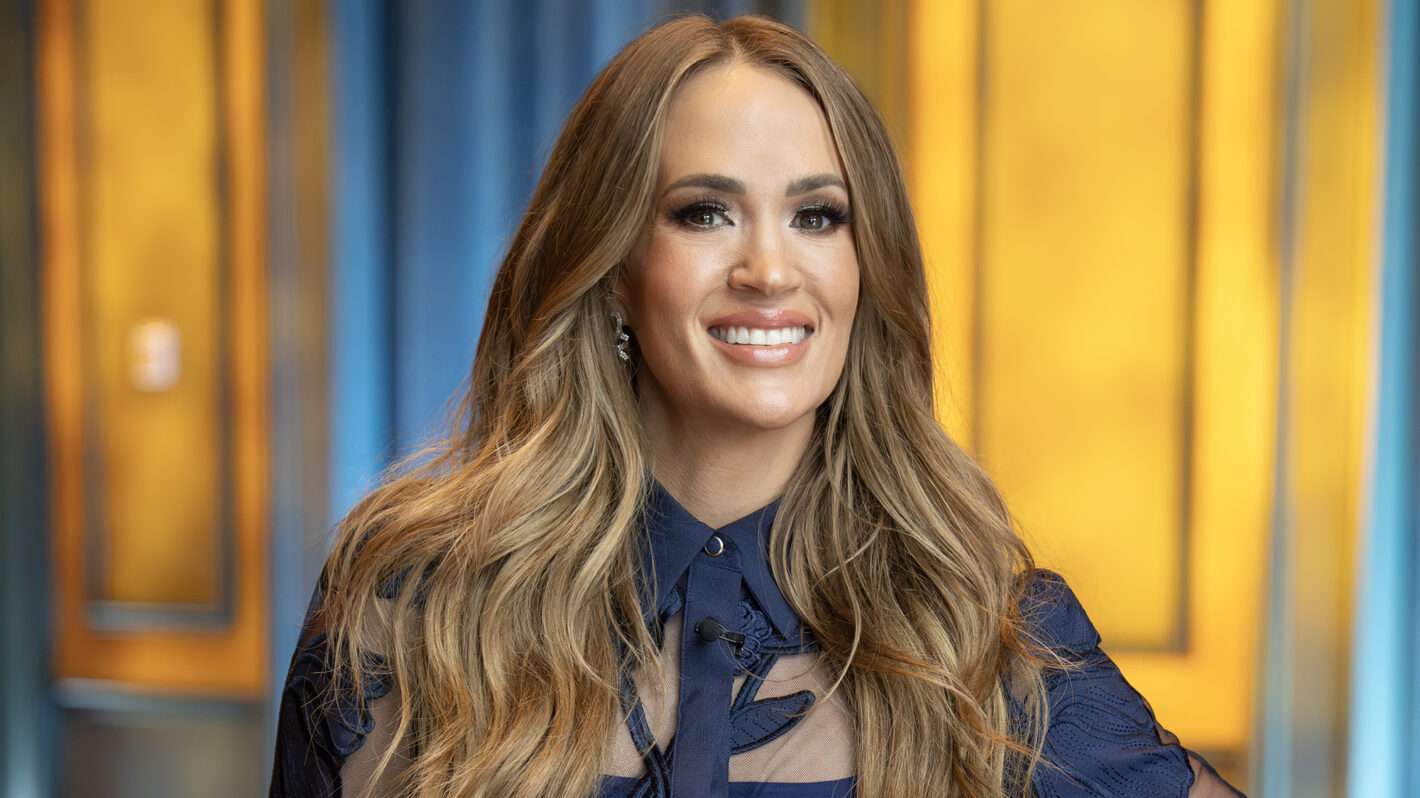
And yet, by the end of the episode, viewers were calling it her “dark side.”
What surfaced during the recent American Idol judging panel wasn’t cruelty or ego — it was precision.
The Moment That Changed the Room
As one contestant finished a performance clearly expecting encouragement, Carrie leaned forward, paused, and delivered feedback that was calm, exact, and unfiltered.
No cushioning. No inspirational speech to soften the edges. Just clarity.
She pointed out where the phrasing faltered.
Where the emotion didn’t fully land.
Where potential was being held back by comfort.
The room grew noticeably quieter.
Not because she was harsh — but because she was serious.
This wasn’t the warm nostalgia fans sometimes expect when former winners return to the Idol universe.
This was a professional evaluating a competitor who wants to win.
Why Fans Called It a “Dark Side”

Online reaction was immediate — and divided.
Some viewers were startled by the intensity.
They’re used to Carrie as the gracious superstar, the polished performer, the voice of encouragement.
Seeing her dial back the softness felt unfamiliar.

But others recognized exactly what was happening.
This wasn’t negativity.
This was standards.
Carrie didn’t critique to diminish — she critiqued to elevate.
And she didn’t pretend effort was enough when excellence is the bar.
That level of honesty can feel uncomfortable on television built around applause and affirmation.
The Competitor Mentality Never Left
Carrie Underwood didn’t just win American Idol — she survived it.
She knows the pressure of live judgment, the brutal reality of public comparison, and the fine line between praise that helps and praise that stalls growth.
What viewers saw wasn’t a “dark side.”
It was a competitor who never stopped competing.
She knows what it takes to rise above hundreds of voices that are all talented.
She understands that subtle weaknesses become fatal under pressure.
And she respects contestants enough to tell them the truth instead of handing out comfort.
Precision Over Performance
There was no grand speech. No emotional monologue.
Just pointed feedback that said: You’re close — but close isn’t enough.
And that’s what made it land.
In an era where televised judging often blurs into feel-good affirmations, Carrie’s approach stood out.
She wasn’t there to perform kindness. She was there to refine talent.
Some fans called it intimidating. Others called it refreshing.
Many called it necessary.
Social Media Reacts
Clips of the moment spread fast, with comments split across the spectrum:
-
“She’s not mean — she’s exact.”
-
“This is what real coaching looks like.”
-
“That honesty would’ve helped earlier seasons.”
-
“You can tell she knows exactly what she’s talking about.”
What united the reactions was recognition: this wasn’t ego. It was experience.
A Different Kind of Authority
Carrie’s authority doesn’t come from theatrics.
It comes from having done it — standing in those same shoes, facing those same cameras, knowing how thin the margin really is.
She wasn’t reliving her glory days.
She was protecting the integrity of the competition.
Not a Dark Side — a Sharpened Edge
If anything, this moment revealed something deeper about Carrie Underwood: her respect for the craft.
She believes talent deserves honesty.
She believes growth requires discomfort.
And she believes excellence isn’t achieved through applause alone.
That may feel intense — even unsettling — to viewers expecting warmth at all costs.
But for contestants who truly want to win, it might be the most valuable thing they receive.
Because sometimes, the truth doesn’t feel kind in the moment.
But it’s the reason greatness happens at all. ⚡