Tensions have escalated dramatically after Cardi B signaled she is prepared to pursue legal action over claims linking her to alleged bot activity surrounding Nicki Minaj’s recent political commentary. What began as a social media analytics discussion has now evolved into a high-profile dispute involving political figures, accusations of coordinated online amplification, and threats of a defamation lawsuit.
The controversy traces back to a digital analytics report that alleged suspicious patterns of engagement boosting Minaj’s political posts. According to the report, clusters of accounts appeared to be amplifying her commentary in ways consistent with automated or coordinated bot activity. While such reports are not uncommon in today’s algorithm-driven media environment, this one gained traction after a journalist shared its findings publicly, prompting debate across social platforms.
The situation intensified when Alex Bruesewitz — a political strategist known for his ties to allies of Donald Trump — suggested there may be a connection between the journalist who circulated the analytics report and Cardi B’s team. Though he did not present concrete evidence publicly, the implication was enough to ignite backlash and speculation online.
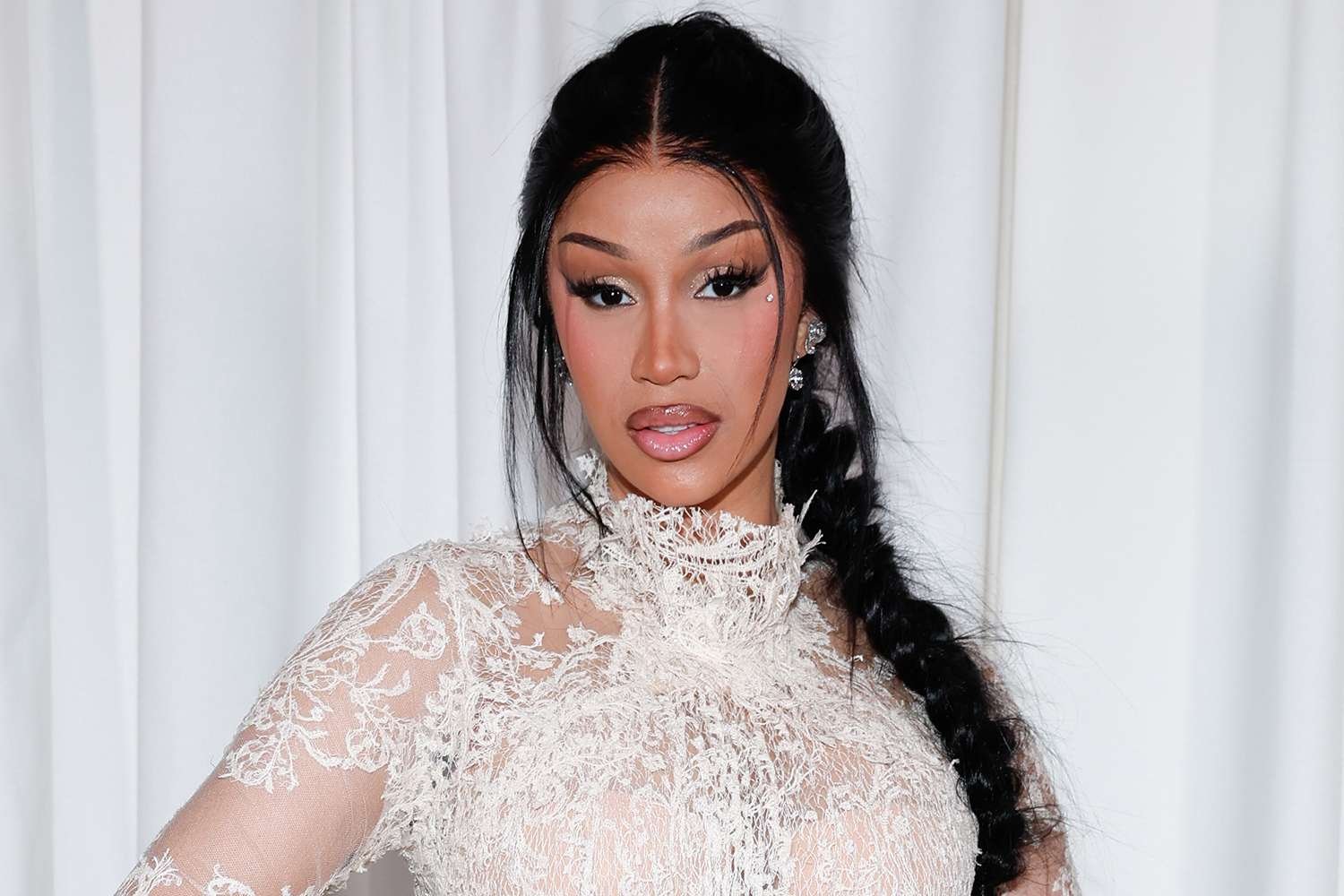
Cardi B responded swiftly and forcefully. Taking to social media, she categorically denied any involvement in bot amplification efforts or coordinated campaigns targeting Nicki Minaj’s posts. She labeled the suggestion defamatory and harmful, stating that she had no role in the report, no connection to its author, and no interest in manipulating online political discourse through artificial means.
The Bronx-born rapper emphasized that her concern is not rooted in music industry rivalry but in protecting her name and reputation. Over the years, Cardi B has been vocal about political issues, often sharing her views directly with followers. However, she has also faced criticism and controversy for those views. In this instance, she argued that falsely linking her to deceptive digital tactics crosses a line from online debate into reputational damage.
Defamation, particularly in the age of social media, carries significant consequences. Public figures operate under heightened scrutiny, and allegations — even unproven ones — can spread rapidly across platforms. Within hours of the claims surfacing, hashtags and commentary began trending, with supporters and critics weighing in. Some called for evidence, others dismissed the analytics report entirely, and many urged caution until more information could be verified.
Bruesewitz, for his part, reportedly doubled down on his remarks after Cardi’s denial. While he did not release detailed proof tying her directly to bot networks, he maintained his position that the connections surrounding the report warranted scrutiny. That stance further inflamed tensions, pushing the dispute beyond casual social media sparring into potentially serious legal territory.
Legal experts often note that defamation cases involving public figures can be complex. To succeed, a plaintiff typically must demonstrate not only that the statements were false, but also that they were made with “actual malice” — meaning knowledge of falsity or reckless disregard for the truth. Cardi B’s willingness to consider litigation signals that she believes the threshold may have been crossed.
This dispute also underscores the broader issue of bot activity in modern digital ecosystems. Coordinated amplification — whether political, commercial, or entertainment-focused — has become a recurring concern across platforms. Analytics firms frequently publish reports identifying patterns they interpret as inorganic engagement. However, such analyses can be controversial. Engagement spikes can sometimes be attributed to fan mobilization, trending algorithms, or viral sharing rather than automation.
For Nicki Minaj, whose political commentary sparked the analytics review, the situation adds yet another layer to her complex public persona. Minaj has never shied away from expressing opinions that generate strong reactions. Her fan base, often highly organized and active online, is known for mobilizing quickly to support her. That intensity can sometimes resemble coordinated behavior, even when driven by real users.
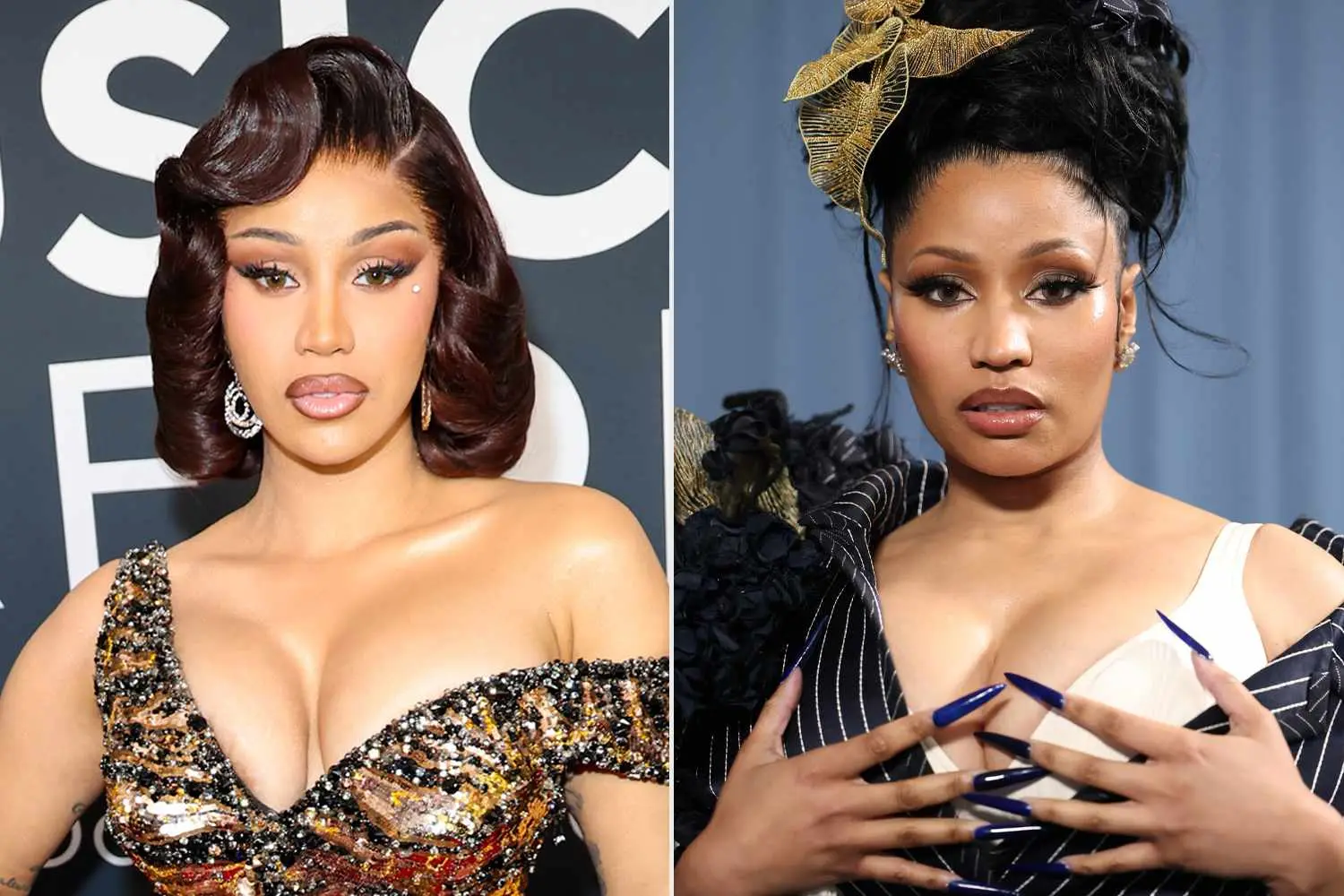
The long-standing tension between Cardi B and Nicki Minaj inevitably looms in the background. Their rivalry has produced headline-making moments over the years, fueling narratives of competition within the rap industry. However, Cardi has publicly insisted that this particular issue is not about rekindling old drama. Instead, she frames it as a matter of legal principle — separating artistic rivalry from allegations that could affect her credibility beyond music.
Reputation management in the digital age is delicate. False narratives can travel faster than corrections, and screenshots often outlive clarifications. For artists whose brands extend into endorsements, partnerships, and business ventures, maintaining public trust is critical. Cardi B’s business portfolio spans music, fashion, and media appearances, meaning that any sustained allegation of misconduct — political or otherwise — could have ripple effects.
Observers also point out that the intersection of entertainment and politics has grown increasingly volatile. Musicians and celebrities frequently engage in political conversations, and political operatives sometimes respond in kind. When analytics reports, public accusations, and celebrity rivalries converge, the resulting storm can blur the lines between factual inquiry and speculative commentary.
If Cardi B proceeds with legal action, the case could draw attention not only for its celebrity elements but also for its implications regarding accountability in digital discourse. Courts have increasingly grappled with how online statements, reposts, and implied connections fit within existing defamation frameworks. A lawsuit could potentially clarify boundaries around public insinuations made in the context of social media debates.
For now, the dispute remains in a phase of public back-and-forth statements. No formal complaint has been filed at the time of writing, and neither side has released detailed documentation supporting their claims. What is clear, however, is that the situation has escalated beyond casual commentary.
Cardi B has reiterated that she is prepared to defend her name vigorously. In her view, the issue is about drawing a line against what she sees as baseless accusations. Whether the matter ultimately moves into a courtroom or dissipates through further clarification remains uncertain.
What this episode ultimately highlights is the fragile nature of truth, perception, and influence in an era dominated by algorithms and viral narratives. When political strategy, social media analytics, and celebrity culture intersect, even a single implication can spiral into a national conversation.
As fans, commentators, and legal analysts continue to watch developments, one thing is evident: the dispute is no longer simply about music or online metrics. It has become a broader debate about accountability, reputation, and the power of digital suggestion in shaping public opinion.