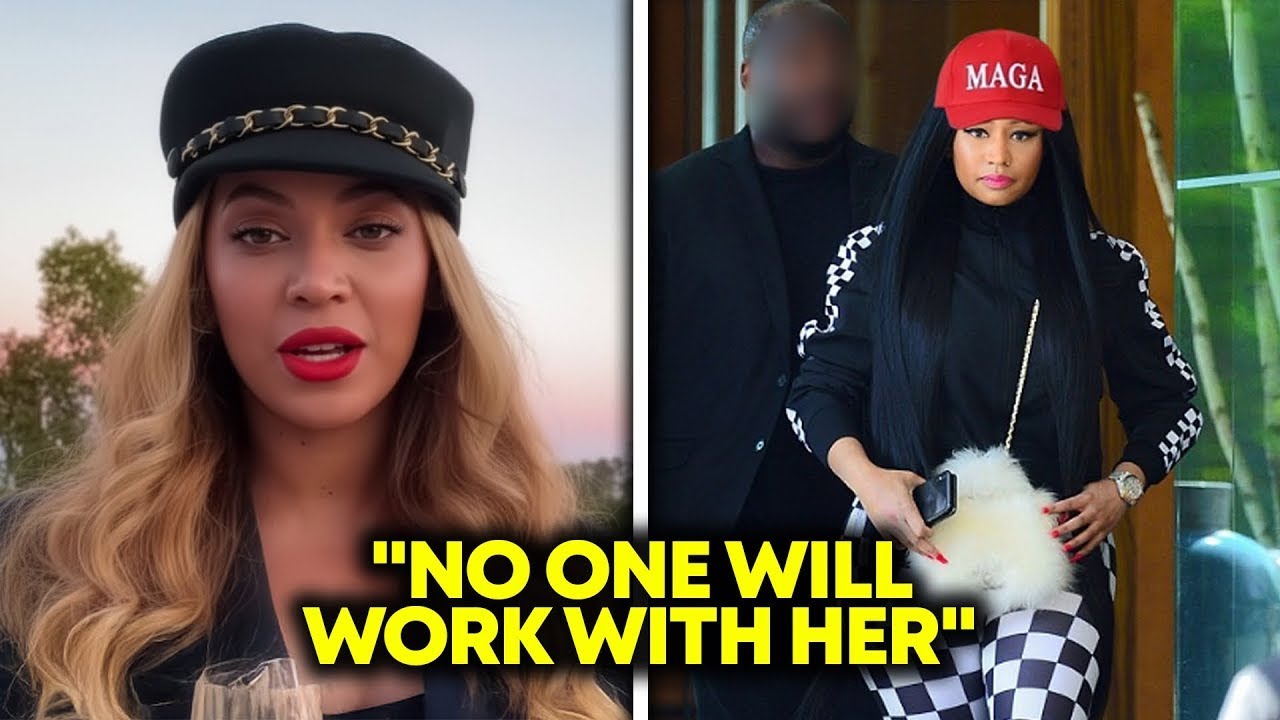
The tension between Beyonce and Nicki Minaj has simmered for years, but recent developments have turned it into something far more explosive. Reports are swirling that Beyonce is actively working behind the scenes to limit Nicki Minaj’s access to major platforms in the music and fashion worlds. The flashpoint? Nicki’s increasingly vocal support for MAGA and her appearance alongside conservative commentator Erica Kirk. But Nicki’s devoted fans—the Barbs—aren’t convinced this is purely political. They argue it’s retaliation for Nicki’s persistent efforts to expose what she calls shady dealings inside Rock Nation, the powerhouse company founded by Jay-Z.
At the heart of the controversy is Beyonce’s rumored role in co-chairing the 2026 Met Gala. Insiders claim she delivered a clear message to organizers: if she’s involved, Nicki Minaj cannot attend. Some go further, alleging Beyonce has quietly warned labels, producers, and collaborators to steer clear of working with Nicki on future projects. The narrative from sources close to the Carters frames this as a principled stand—Nicki’s public embrace of Trump and MAGA rhetoric crossed an unforgivable line, especially after Beyonce endorsed Kamala Harris in 2024. Yet the timing and context have raised serious questions about motives.
Nicki’s supporters point to a much longer backstory. For years, she has criticized Rock Nation, accusing its leadership—particularly CEO Desiree Perez—of unethical practices and even suggesting the company could face Rico-level scrutiny. Those claims gained fresh fuel when Desiree’s estranged daughter, Deori Hadley, filed a lawsuit detailing disturbing allegations. Deori claims Desiree repeatedly tried to have her involuntarily committed under Florida’s Baker and Marchman Acts, laws that allow temporary detention for mental health or substance abuse evaluations. In court filings, Deori accuses her mother of threatening to institutionalize her because she married a Black man, using racial slurs and leveraging Rock Nation employees to monitor her.
Deori went public in emotional videos, describing multiple attempts to detain her, including one incident where she had to call police when allegedly trapped behind an electric gate. She directly called out Jay-Z, urging him to investigate the people running his company. “If my civil rights were violated, you need to be concerned as the second owner,” she said. Deori later drew parallels between her experience and what she believes Nicki has endured—alleged attempts to silence, attack her family, and target her child. She described Nicki as someone who has faced “abuse of her platform, her talent, her freedom of speech,” and praised her for speaking out when few others would.

Nicki herself has amplified these claims on social media. In a pointed post, she referenced Deori’s detailed accusations and warned those involved that “vengeance is the Lord’s” and no one who conspired against her would escape consequences. She has long hinted at behind-the-scenes efforts to undermine her career, once stating that certain powerful figures were trying to destroy her. The Barbs see Beyonce’s alleged moves as the latest chapter in that story—punishment for refusing to stay quiet about Rock Nation’s inner workings.
Adding fuel to the fire are the Carters’ own connections. Desiree Perez received a presidential pardon from Donald Trump in 2021 for her role in a 1994 drug trafficking conspiracy involving 35 kilos of cocaine and an organized ring spanning multiple states. Court documents from the 1990s described her as a cooperative witness who worked closely with federal agents, leading to arguments for leniency. After the pardon, she rose to CEO of Rock Nation. Nicki’s fans question how the Carters can criticize her MAGA leanings while maintaining ties to Trump-world figures. Recent sightings of Beyonce and Jay-Z dining with Ivanka Trump and Jared Kushner—amid Jay-Z’s push for a New York casino project—have only intensified accusations of selective outrage.
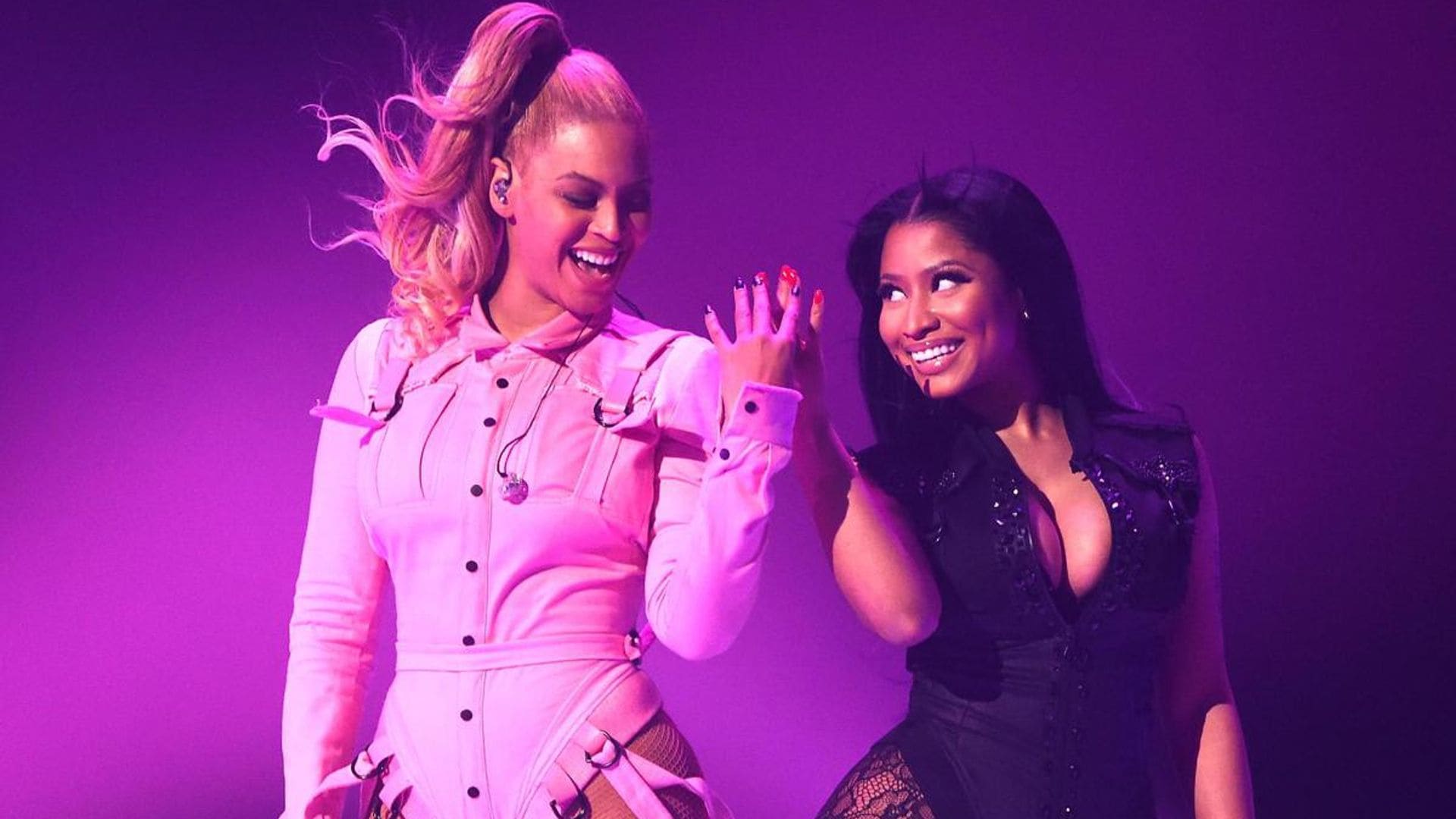
Beyonce’s political journey adds another layer. She endorsed Kamala Harris and performed at events supporting Democratic causes, yet post-election, some observers note a quieter tone from the Carters as Trump returned to office. Nicki’s supporters ask: if the Carters can navigate relationships across the aisle for business, why is Nicki’s political stance suddenly unforgivable? They argue the real issue is Nicki’s refusal to bow to industry power structures and her willingness to air grievances publicly.
The Met Gala rumor, if true, carries symbolic weight. The event is fashion’s biggest night, and exclusion would send a loud message. Yet Nicki has never been one to wait for invitations. Her career has thrived on independence, from her early mixtape days to building a loyal fanbase that rivals any in music. If Beyonce is indeed trying to limit her reach, it risks backfiring—turning Nicki into an even bigger martyr for those who feel the industry protects its own while punishing dissenters.
This feud transcends typical celebrity beef. It touches on power, loyalty, race, politics, and the murky intersections of business and personal agendas. Nicki’s fans see her as a truth-teller taking on untouchable figures. Others view her MAGA turn as opportunistic or divisive. Beyonce remains largely silent on the matter, letting her work and her choices speak. But in an era where every move is dissected online, silence can be as loud as any statement.
Whatever the truth, one thing is clear: Nicki Minaj isn’t backing down. She has built a legacy on resilience and unfiltered honesty. If this is an attempt to silence her, history suggests it will only make her voice louder. The music world will be watching closely to see how this unfolds—whether it ends in reconciliation, escalation, or something entirely unexpected.
:quality(85):upscale()/2015/03/30/027/n/1922398/fd669b31_edit_img_facebook_post_image_file_845315_1427758273.png)