Hollywood’s image of “saintly” figures has been shattered as industry veterans Ice Cube and Mo’Nique step forward to challenge Oprah Winfrey’s reputation.
Far from the benevolent media mogul she presents, they describe Oprah as a calculated “Gatekeeper,” wielding her platform to enforce conformity and control, especially within Black Hollywood. Their stories reveal a pattern of exclusion, selective activism, and exploitation that has sparked controversy and debate.

**Ice Cube: Challenging the Club**
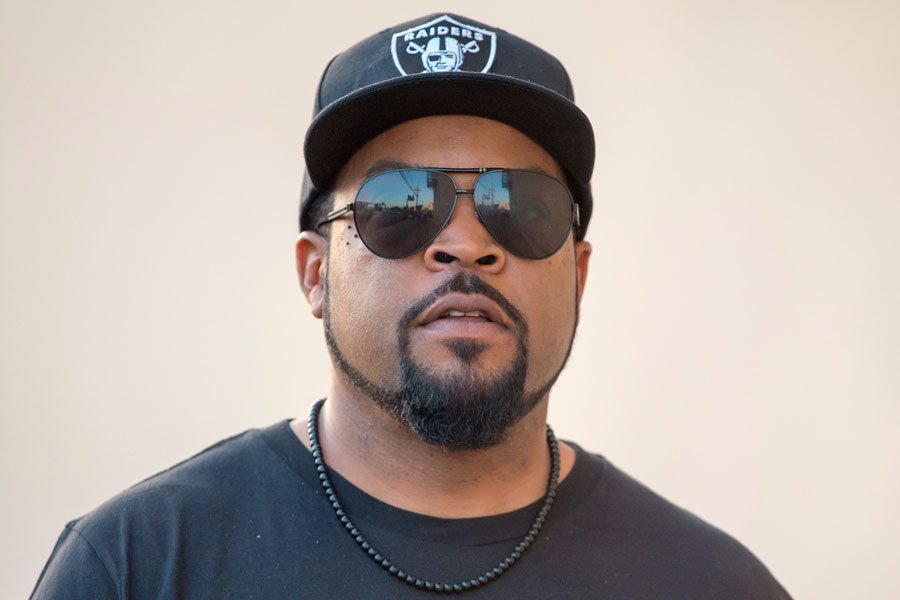
Ice Cube has been outspoken about feeling excluded from Hollywood’s elite circles, specifically naming Oprah and the hosts of The View. He believes his independent stance—shown by his “Contract with Black America” and refusal to take the COVID-19 vaccine—led to him being blacklisted.
Despite producing hit films like *Barbershop* and the provocative series *Black. White.*, Cube was conspicuously absent from Oprah’s show during cast appearances. In response, he launched a “Gatekeepers” podcast tour, appearing on platforms like Tucker Carlson, Joe Rogan, and Piers Morgan to bypass traditional media filters.
Cube’s controversial comments on gender identity during his interview with Carlson—comparing it to “feeling like a pigeon”—fueled criticism and reinforced his outsider status. He argues that Hollywood’s “club” requires sacrificing autonomy, and he refuses to conform.
**Mo’Nique: Betrayal and Blackballing**

Mo’Nique’s feud with Oprah is one of Black Hollywood’s most public civil wars. After winning an Oscar for *Precious*, Mo’Nique alleges Oprah, Tyler Perry, and Lee Daniels branded her “difficult” for refusing unpaid promotional work, effectively blackballing her career.
The conflict deepened when Oprah featured Mo’Nique’s estranged brother—who had molested her—on her show, despite promising not to do so if Mo’Nique was uncomfortable.
Oprah also included Mo’Nique’s parents, exploiting her trauma for ratings. Mo’Nique likened Oprah to “the help,” suggesting she serves the studio system to keep Black artists underpaid and in line. Taraji P. Henson echoed these sentiments, highlighting pay disparities and poor treatment on the set of *The Color Purple*, which Oprah co-produced.
**Selective Activism and #MeToo Allegations**
Critics, including 50 Cent, accuse Oprah of “selective outrage,” noting a pattern in the figures she targets during the #MeToo movement. She produced documentaries about Michael Jackson and Russell Simmons, both Black men, but stayed silent or less vocal about allegations against white icons and Harvey Weinstein, only speaking out once his downfall was inevitable.

| Targeted by Oprah | Allegations | Public Reaction |
|——————-|————|—————–|
| Michael Jackson | *Leaving Neverland* documentary | Ignored similar claims against white icons |
| Russell Simmons | Documentary on sexual assault | 50 Cent accused her of “only going after black men” |
| Harvey Weinstein | Systemic sexual abuse | Critics say she stayed silent until his fall |
**South African School Scandals**
Oprah’s Leadership Academy for Girls in South Africa has also faced scrutiny. In 2007, a dormitory matron was charged with assault and indecency against students. Oprah expressed “profound disappointment,” but some allege she tried to minimize reputational damage. Unverified rumors about missing girls have circulated online, adding to the controversy, though these remain speculative.
**Conclusion**
Ice Cube’s message is clear: Hollywood’s “club” is real, and entry comes at the cost of autonomy. As he continues his podcast tour, he remains a leading voice challenging the “Saint Oprah” archetype. The true Gatekeepers, he argues, are protecting their own interests—not just the industry. The stories of exclusion, betrayal, and selective activism continue to reshape Oprah’s legacy and spark debate about power, representation, and accountability in Hollywood.