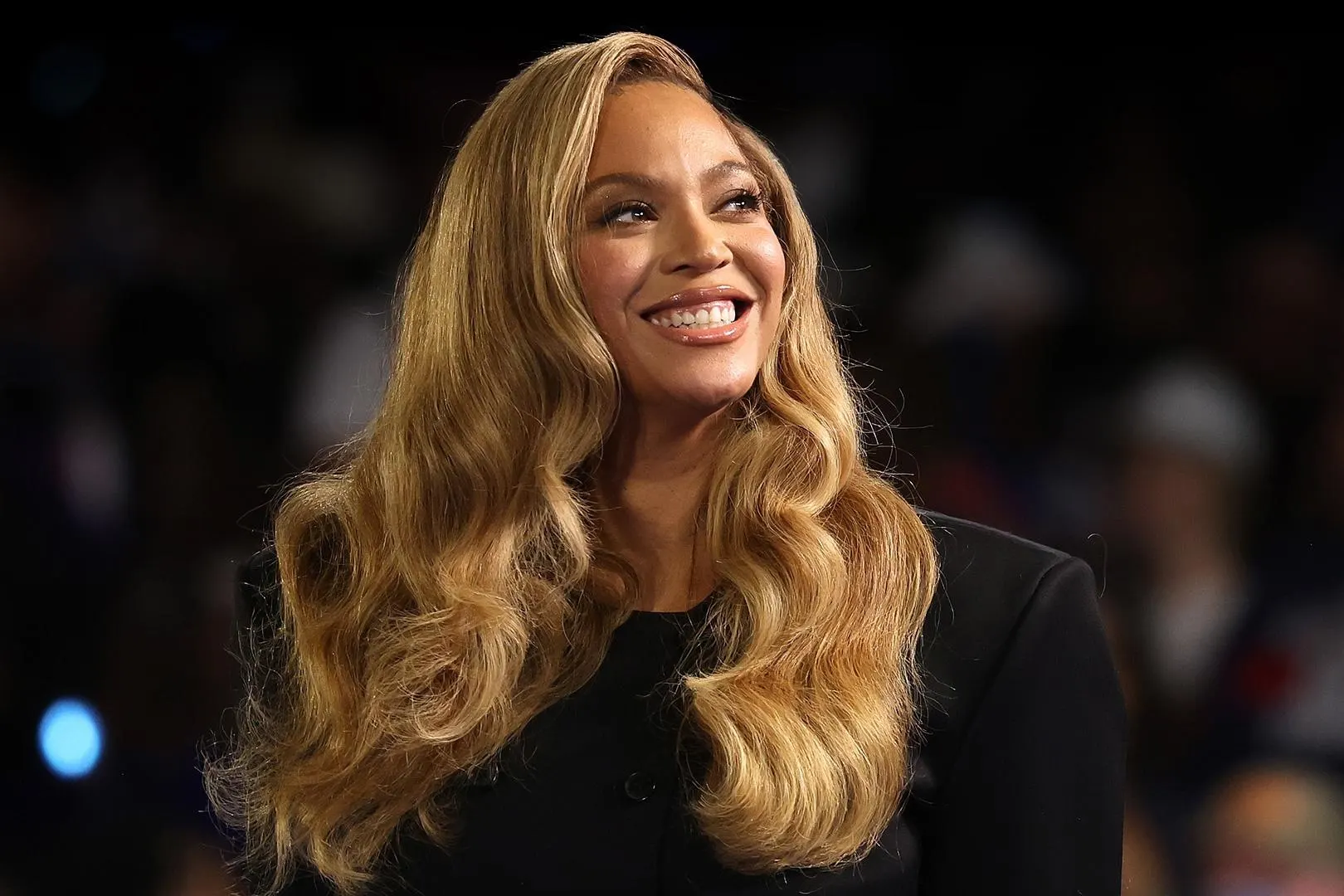
The music world lost one of its brightest lights far too soon when Aaliyah tragically passed away in a plane crash on August 25, 2001, at just 22 years old. She was on the cusp of even greater stardom—fresh off her debut film role in Romeo Must Die, with her self-titled album climbing charts and the sensual “Rock the Boat” video in production. Her voice, style, and effortless cool made her a trailblazer, influencing everyone who came after. Yet years later, dark rumors persist, with some claiming her final interviews held eerie warnings about threats in the industry, and fingers pointing toward Beyoncé and Jay-Z as somehow connected to her fate.
These theories have resurfaced in online spaces, fueled by clips of Aaliyah’s last known interviews. In one from Paris just weeks before the crash, she described a recurring dream that chills listeners today: “It’s dark in my favorite dream. Someone is after me. Don’t know why. I got fear. Then suddenly I lift off. I fly away. Far away.” She explained feeling weightless and free once airborne, untouched by anyone, but admitted the dream left her alarmed—wondering if it symbolized escaping pressures of fame or something deeper. She insisted she loved her success and wouldn’t change a thing, yet the imagery of pursuit followed by flight eerily mirrors her final moments.

The crash itself remains shrouded in questions for many. Aaliyah and her team flew to the Bahamas for last-minute “Rock the Boat” shoots directed by Hype Williams. The location switch from Miami raised eyebrows—why move when Miami had the needed setup? Aaliyah, terrified of flying and usually accompanied by family, boarded without them. She reportedly felt uneasy about the small Cessna 402 plane, overloaded and piloted by someone later found with alcohol and cocaine in his system. The aircraft crashed shortly after takeoff, killing everyone aboard.
Whispers about foul play have lingered, amplified by claims from Damon Dash, Aaliyah’s boyfriend at the time. He expressed frustration over the jet situation, saying Lenny Kravitz offered his private plane, but it somehow went to Hype Williams instead, leaving Aaliyah on the doomed flight. Dash has questioned decisions around the shoot and travel, though no official investigation ever ruled the crash anything but a tragic accident due to pilot error and overload.

Tying these events to Beyoncé and Jay-Z stems largely from old gossip about Jay-Z’s interest in Aaliyah. Dash has said Jay-Z “tried very hard” to pursue her, describing mutual attraction at parties and competition among men in the industry. Dash emphasized everyone was drawn to Aaliyah’s charm, but he never implied anything sinister beyond personal rivalry. Some theorists twist this into motive, suggesting Jay-Z’s feelings created tension, especially as he later built a life with Beyoncé. Wild extensions claim Aaliyah’s death cleared the path for Beyoncé’s rise, or even link Blue Ivy’s birth month (January, like Aaliyah’s) and supposed resemblances as symbolic or spiritual replacements—ideas that circulate in fringe online discussions but lack any substantiation.
Beyoncé and Aaliyah actually shared warm moments publicly. Beyoncé interviewed her on a red carpet, gushing over her style and work, calling her fabulous. The exchange felt genuine, with no visible animosity. Beyoncé has spoken fondly of Aaliyah’s influence, and comparisons between them often arise from admiration rather than rivalry. Both redefined R&B— Aaliyah with her smooth, innovative sound and visuals, Beyoncé evolving into a global icon. No credible evidence supports claims of jealousy, involvement in foul play, or secret agendas.
These persistent rumors highlight how grief and mystery can breed speculation, especially when a star dies young and suddenly. Aaliyah’s death devastated fans, and the unanswered “what ifs” about her potential legacy keep conversations alive. Some point to industry dark sides—power imbalances, exploitation—echoed in broader discussions about figures like R. Kelly, whose past with Aaliyah (including an illegal marriage when she was underage) adds layers of tragedy. But linking it directly to Beyoncé or Jay-Z remains in the realm of unproven conspiracy, often amplified for clicks or drama.
Aaliyah’s true legacy shines through her music, her grace, and the way she inspired generations without needing to tear others down. She wanted to be remembered as a full entertainer and a good person—kind, talented, authentic. In interviews, she spoke of enjoying fame while staying grounded. Her story reminds us how fragile success can be, and how easily narratives shift in the wake of loss. Whether the dreams she shared were premonitions or metaphors for pressure, they add poignant depth to a life cut short. Fans still celebrate her impact, honoring the artist who flew high and left too soon.

