Allegations Surface About Treatment of Beyoncé’s Twins — What We Actually Know
Social media erupted this week after an individual identifying herself as a former nanny made startling claims about the private lives of global superstar Beyoncé and her husband Jay-Z—specifically regarding their twins, Sir and Rumi.
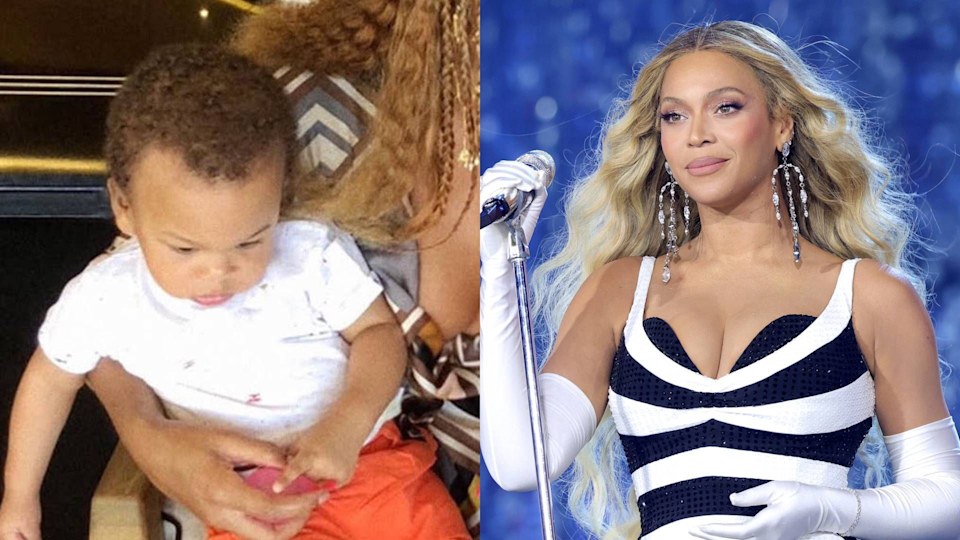
In a series of online posts and interviews circulated widely across platforms, the ex-employee alleged unequal treatment between the two children, suggesting that Sir was treated “worse” than his sister Rumi.
The claims, delivered without documentary evidence, immediately ignited speculation, fan debate, and sharp criticism.
As of now, there is no verified evidence supporting the allegations.
Representatives for Beyoncé have not issued an official statement addressing the claims directly.
The singer, known for her intensely private approach to family life, rarely comments on personal matters involving her children.
Beyoncé and Jay-Z welcomed twins Sir and Rumi in 2017.
Since their birth, the couple has maintained strict boundaries around their children’s public exposure, sharing only carefully curated glimpses of family life through select photos and appearances.

The former nanny’s allegations describe differences in attention and discipline within the household.
However, legal experts caution that such claims—particularly when involving minors—require responsible reporting and verification before being treated as fact.
Child privacy advocates emphasize that speculation about family dynamics can cause harm, especially when based on unverified sources.
Celebrity households often employ multiple staff members, including nannies, tutors, and security personnel.
Employment relationships may end for various reasons, and disputes can sometimes spill into public view.
Public reaction to the claims has been sharply divided.
Some social media users have expressed concern and called for clarification.
Others have defended Beyoncé and Jay-Z, citing their longstanding reputation for protecting their children’s privacy.
Media analysts note that high-profile figures frequently face rumors about family life.
The combination of fame and limited public access often fuels curiosity and conjecture.
Beyoncé, one of the most awarded and influential artists of her generation, has built a career marked by meticulous brand control and narrative management.
Her children have largely remained shielded from media scrutiny.
Legal professionals stress that making allegations involving minors without substantiated evidence can raise serious ethical and legal considerations.
Defamation laws vary by jurisdiction, but public repetition of unverified claims carries risk.
It remains unclear whether the individual claiming to be a former nanny has provided documentation of employment or corroborating witnesses.
In the absence of verified records, the claims remain allegations.

Fans have taken to online forums dissecting past public appearances, searching for clues to support or refute the narrative.
Psychologists caution against interpreting limited public glimpses as definitive evidence of private dynamics.
Celebrity parenting often unfolds under intense public microscope.
The broader conversation reflects society’s complicated relationship with fame.
Public figures generate fascination not only for their artistic output but also for perceived glimpses into personal life.
However, boundaries between curiosity and intrusion are increasingly debated.
Beyoncé has previously spoken about balancing career demands with motherhood, describing her children as her grounding force.
Jay-Z has likewise referenced fatherhood as transformative in interviews.
Neither has publicly indicated internal family discord.
Without official comment or independent verification, the allegations remain unsubstantiated.
Media ethics experts argue that coverage should focus on verified information rather than amplifying speculation.
The situation underscores the volatility of viral claims in the digital age.
A single post can generate millions of impressions within hours.
For now, the story highlights the tension between celebrity culture and family privacy.
Until credible evidence emerges or the family responds directly, the claims should be treated with caution.