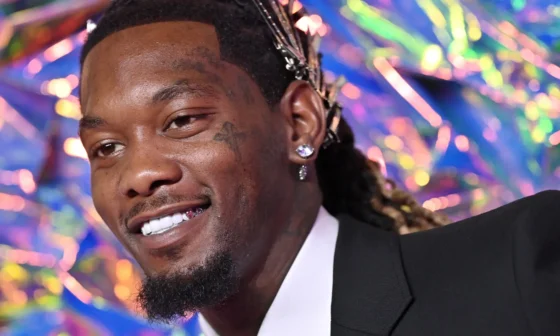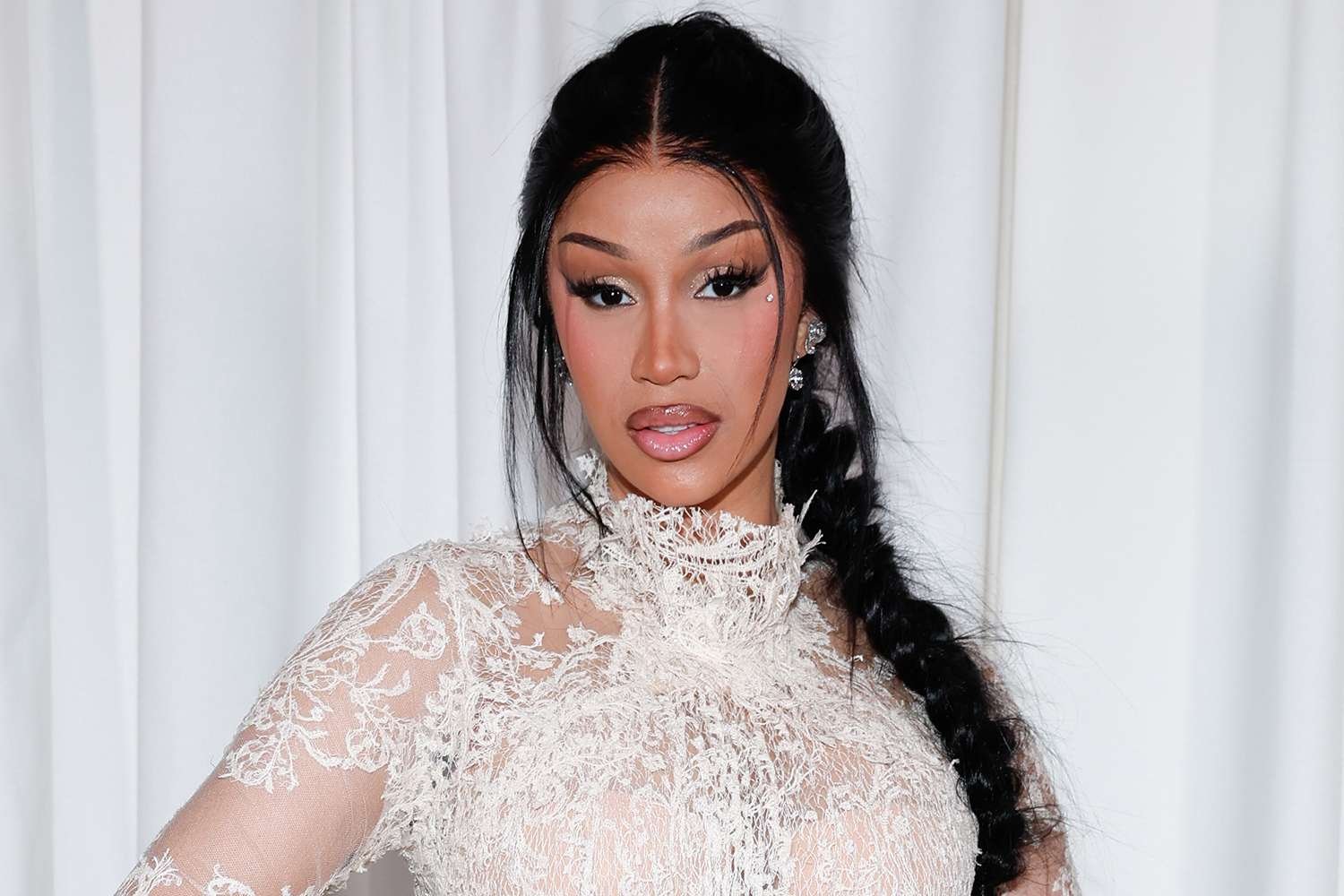
The controversy surrounding Offset’s alleged proposal to Cardi B has quickly become one of the most talked‑about stories in entertainment and legal circles, not only because of its content but because of the deeper questions it raises about respect, control, and the boundaries of personal dignity. According to sources close to the situation, Offset suggested that Cardi B cover his back taxes in exchange for his dropping demands, such as a DNA test and staying away from her relationship with Stefon Diggs. The idea stunned both fans and insiders, sparking immediate debate about whether such a “peace deal” was simply inappropriate or a calculated attempt to exert influence over her choices.
Cardi B, known for her outspoken nature and unwillingness to compromise her values, reportedly felt deeply offended by the proposal. To her, the suggestion carried undertones of manipulation and control, as if peace could be bought at the expense of her independence. “It was so brazen,” she is said to have remarked, framing the offer as emblematic of a broader pattern in which financial leverage is used to silence or pressure women. For Cardi, the issue was not just about money—it was about autonomy, dignity, and the right to define her own future without interference.
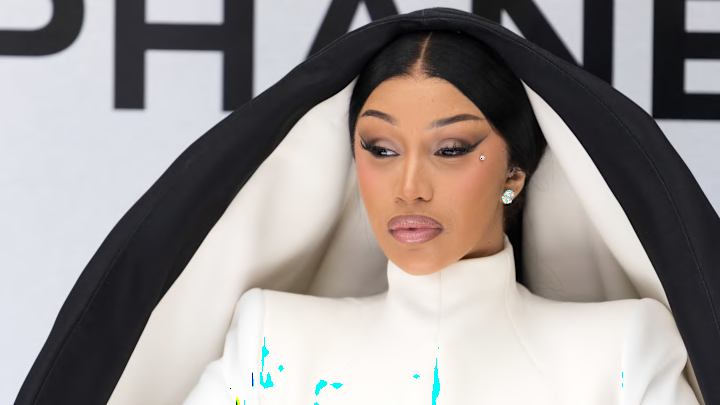
Observers note that Cardi B’s frustration stemmed from the belief that Offset’s offer attempted to shift responsibility in a way that was both unfair and coercive. Paying someone else’s debts while receiving no meaningful concession in return appeared to her as a one‑sided arrangement designed to reassert influence over her life. This interpretation resonated with many fans, who saw the alleged deal as an attempt to diminish her voice and impose emotional costs on her new relationship. Her public rejection of the proposal was not only a personal decision but also a symbolic stand against manipulative dynamics.
When the news broke online, the reaction was immediate and intense. Social media platforms lit up with commentary, analyses, and criticism. Some questioned why Offset would make such a proposal given the sensitive nature of their past conflicts, while others argued that the leak itself may have distorted the context of a private conversation. Yet the majority of reactions leaned toward Cardi B’s perspective, with many insisting that asking her to pay back taxes was inappropriate under any circumstances. “You don’t put a price on dignity,” one fan wrote, capturing the sentiment that quickly spread across timelines.
The involvement of Stefon Diggs added another layer of complexity. Cardi B’s relationship with the NFL star has been closely watched, and critics of Offset’s alleged proposal argued that his attempt to intervene was a way of asserting control at a delicate time. Supporters of Cardi and Diggs viewed the offer as an intrusion into a relationship that appears to bring her stability and happiness. They interpreted the proposal as evidence that Offset still wanted influence over her romantic life, a perception that only fueled the online storm.
Meanwhile, some speculated that Offset’s actions may have stemmed from insecurity rather than malice. Losing connection, facing public scrutiny, and watching a former partner move on could drive someone to drastic measures. Even sympathetic observers, however, agreed that the alleged deal crossed important boundaries. Relationship experts weighed in, noting that negotiations rooted in leverage often erode trust and emotional safety. “When money becomes the tool of control, love and respect are already lost,” one therapist commented, highlighting the broader implications of the dispute.
As debates intensified, social media became a battlefield. Hashtags supporting Cardi B trended across multiple platforms, with users praising her firmness and applauding her refusal to accept terms that undermined her value. Others argued that publicizing the dispute amplified misunderstandings and worried about the long‑term consequences for both parties, especially their children. Yet Cardi B’s clarity in rejecting the offer struck a chord with many, reinforcing her image as someone unwilling to compromise her dignity for convenience.
The controversy also tapped into a wider cultural conversation about financial control in relationships. The idea that one partner could use debts or money to gain the upper hand is widely recognized as a red flag. Cardi B’s stance encouraged many women to share their own experiences of partners attempting to use financial dependence as a tool of influence. Her bold response transformed the story from gossip into a broader discussion about empowerment and boundaries. “She reminded us that peace cannot be negotiated under pressure,” one supporter wrote, echoing the message that resonated across communities.
Stefon Diggs has remained publicly silent, but sources close to him suggest he has focused on supporting Cardi B emotionally. Fans admire the stability he appears to bring into her life, seeing him as a figure who allows her to move forward without interference from past entanglements. For many, the relationship represents a new chapter defined by respect and mutual support, a stark contrast to the dynamics implied by Offset’s alleged proposal.
Ultimately, the situation underscores the complexities of public life. What might have been a private negotiation instead ignited widespread debate, reminding audiences that celebrities face personal struggles just like anyone else, but must navigate them under relentless scrutiny. Cardi B’s refusal to accept Offset’s alleged deal highlighted her determination to move forward with strength. Her message was clear and resonated worldwide: dignity is never for sale.