🔴 “HE RUINED MY LIFE” — A SHATTERING CONFESSION THAT LEFT FANS SPEECHLESS For the first time ever, Blue Ivy Carter, Beyoncé’s daughter, has broken her silence and revealed the devastating reason behind her long, mysterious absence from the public eye.
In an emotional and unfiltered moment, she pointed directly at the man she says destroyed her peace, her childhood, and her sense of safety. What makes this revelation even more chilling is that this is not a stranger. It is someone the world knows. Someone once admired.
Someone whose name is instantly recognizable — and that is why this story has sent shockwaves through social media, leaving fans stunned, angry, and desperate for answers. As fragments of her testimony began circulating, disbelief turned into outrage.
How could this have happened unnoticed? How long had the truth been buried? And why is it only coming to light now? Do not scroll past this — because once you realize who she is talking about, everything you thought you knew may change forever.
The phrase “he ruined my life” sent shockwaves across social media, instantly igniting speculation and intense emotional reactions.
Yet behind the viral headline lies a far more complex and sensitive story, one centered on privacy, growing up in the spotlight, and the weight placed on a young person born into global fame.
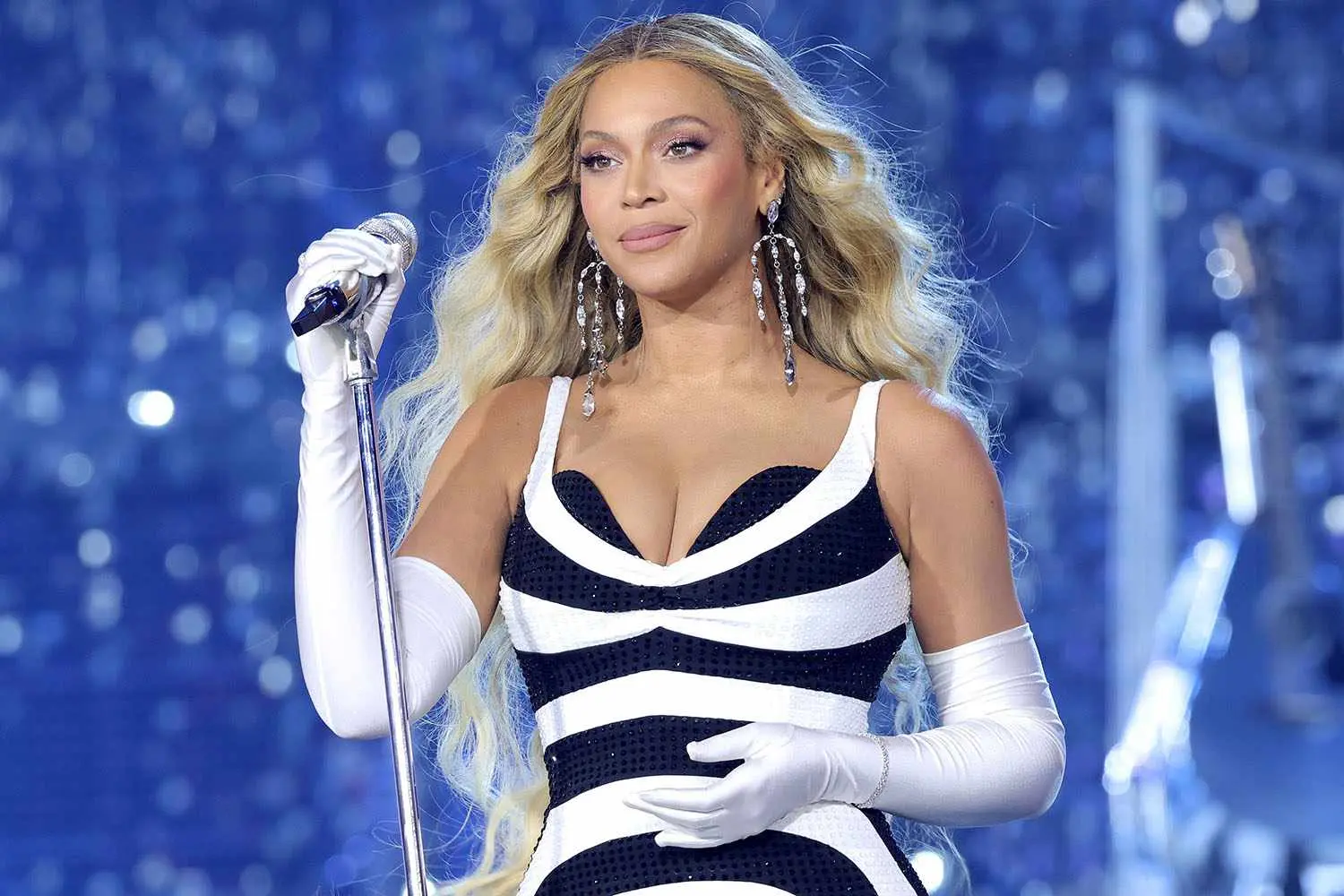
Blue Ivy Carter has lived much of her life under public scrutiny, despite her parents’ consistent efforts to protect her childhood.
Her recent words were not an accusation aimed at exposing a scandal, but a raw expression of emotional struggle that many young people experience when identity is shaped by expectations rather than choice.
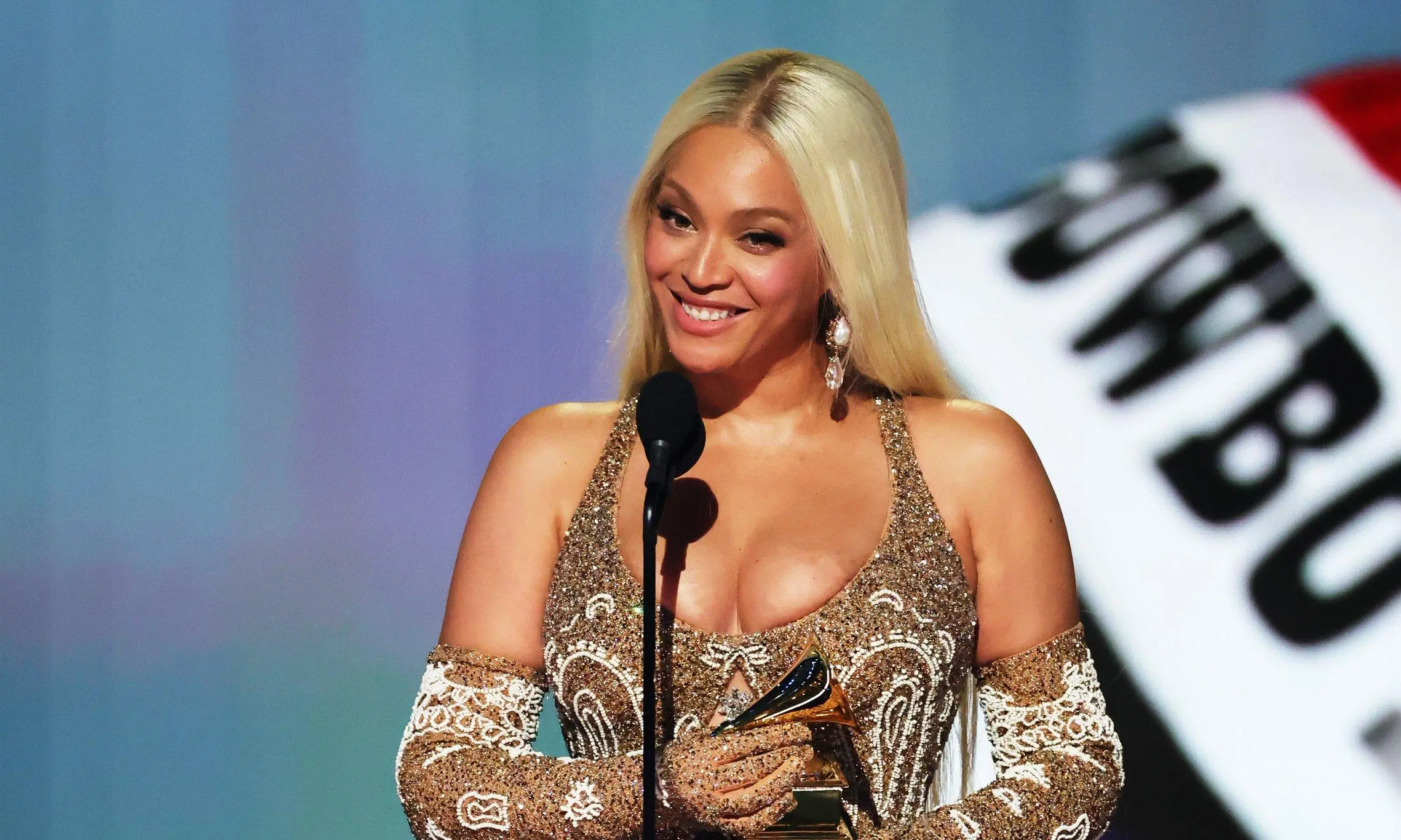
Her long absence from public appearances had fueled endless rumors. Some interpreted silence as mystery, others as crisis. When she finally addressed it, her message reflected exhaustion more than outrage, and vulnerability more than blame, challenging the simplified narratives spreading online.

What many overlooked was the context of her statement. It spoke to pressure, loss of autonomy, and the difficulty of growing up while constantly watched. The “man” referenced was not identified, nor was wrongdoing alleged, but the internet rushed to fill gaps with assumptions.
In reality, her words highlighted how systems, environments, and expectations can feel oppressive, especially to young people navigating formative years. Fame itself can become a force that distorts normal development, even when surrounded by love and resources.
Observers close to the family emphasized that Blue Ivy’s message was about reclaiming her voice. It was an attempt to explain absence as self-preservation, not secrecy, and healing, not hiding. The emotional tone reflected a desire to be understood, not sensationalized.
Psychologists and youth advocates quickly weighed in, warning against turning a personal reflection into a public trial. They stressed the importance of listening without projecting narratives, especially when the speaker is still young and forming her identity.
The speed at which social media escalated the story revealed a troubling pattern. Complex emotions were flattened into clickbait, while empathy struggled to keep pace with outrage. The nuance of her words was often lost in translation.
Fans who slowed down and read carefully noticed something different. Her message carried resilience, not accusation. It described feeling overwhelmed by forces larger than herself, and the courage it took to step away and regain balance.
Growing up as the child of cultural icons brings unique challenges. Every move is interpreted, every silence questioned. For Blue Ivy, absence became a necessary boundary rather than a sign of collapse.
Those close to her reiterated that family support has remained strong. Beyoncé and Jay-Z have consistently prioritized their children’s wellbeing, shielding them from public exposure whenever possible. This moment, they say, fits within that pattern of protection.
The public reaction also sparked broader conversations about how society treats young people connected to fame. Many questioned why vulnerability is so often met with suspicion instead of care.
Media ethicists urged restraint, reminding audiences that not every emotional statement requires investigation or villains. Sometimes, pain does not come from a single person, but from circumstances that feel impossible to escape.
Blue Ivy’s words resonated with teenagers and young adults who feel defined by expectations placed upon them. Messages poured in from fans saying they felt seen, understood, and less alone after hearing her speak.
Rather than revealing scandal, the moment revealed something quieter and more universal. It exposed the cost of growing up too fast, and the strength it takes to pause, step back, and choose self-preservation.
As days passed, the initial frenzy softened into reflection. Many began to recognize that the story was never about uncovering a name, but about respecting a boundary.
The Carter family remained silent following the reaction, a silence consistent with their long-standing approach. That absence of commentary reinforced the idea that not every story is meant to be completed by the public.
In the end, what lingered was not outrage, but a reminder. Words spoken in pain deserve care, not exploitation. Silence can be healing. Absence can be strength.
Blue Ivy’s message, stripped of speculation, became one about agency. About stepping out of a narrative others write, and choosing when and how to speak.
The story’s true impact lies in what it asks of the audience. To slow down. To listen without demanding answers. To remember that behind famous names are real lives, still growing, still learning.
What began as a viral headline ultimately became a lesson in restraint and empathy. And perhaps that is the most meaningful outcome of all.